죄와 벌: 기초
안녕하세요! 이번 영상에서는 세계적인 고전, 도스토옙스키의 ‘죄와 벌(Crime and Punishment)’ 을 함께 읽어보려고 합니다. 📖
도스토옙스키는 러시아 작가로, 인간의 마음을 깊이 들여다보는 글쓰기로 유명해요. 그의 작품들은 단순히 재미있는 이야기가 아니라, 우리 자신과 우리 주변의 세상을 더 잘 이해하게 도와주는 아주 중요한 이야기들이죠.
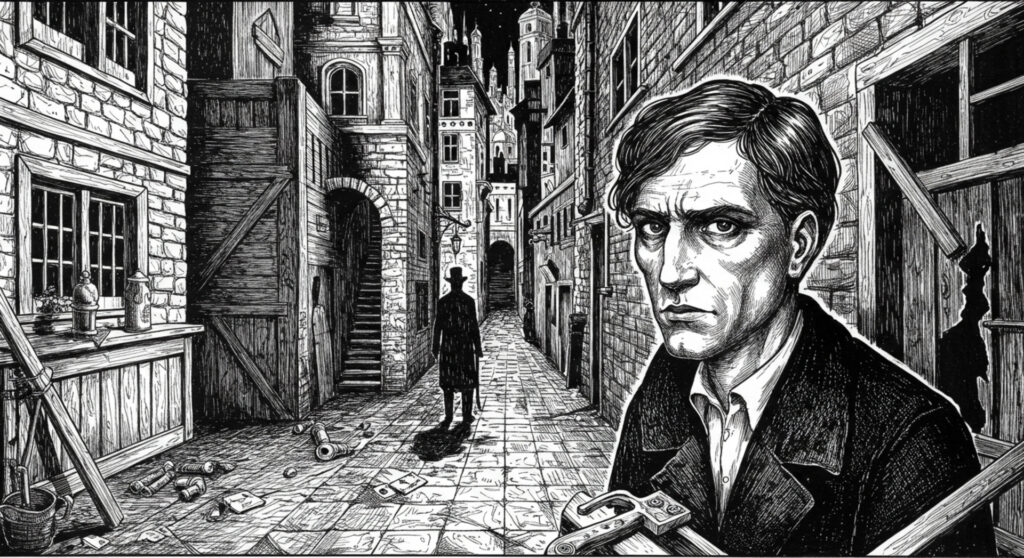
‘죄와 벌’은 가난한 대학생 라스콜니코프(Raskolnikov)의 이야기예요. 그는 똑똑하고 특별한 사람이라고 생각하지만, 너무 가난해서 힘든 시간을 보내요. 그러다 문득, 그는 세상에 도움이 안 되는 나쁜 사람 한 명을 없애고, 그 돈으로 좋은 일을 하면 어떨까 하는 생각을 하게 됩니다. 과연 그의 생각대로 모든 일이 잘 풀릴까요?
이 영상은 ‘죄와 벌’의 흥미로운 줄거리를 따라가면서, 여러분이 영어 원문을 더 쉽게 이해할 수 있도록 도와줄 거예요.
원문 듣기
Hello, amazing Shoong Sshoong Channel viewers, and a warm welcome to all our 기초 English learners! Today, we're diving into a book that can truly touch your heart and mind: Crime and Punishment. It's not just a story; it's an experience that will make you think about right and wrong, about guilt and hope. Get ready to explore this powerful classic with me!
A Young Man's Difficult Choice and Its Echoes in a Big City
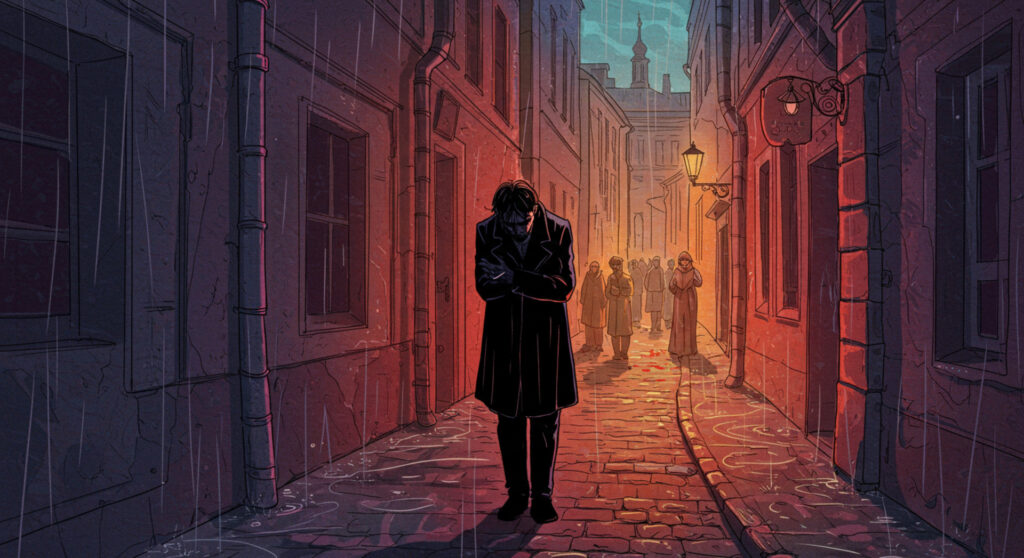
Imagine a young university student named Raskolnikov. He lives in a very small, poor room in a big city, Saint Petersburg. The city is full of noise and many people, but Raskolnikov often feels alone. He is very smart, but he is also struggling a lot with money and his future. He feels like he is stuck, and he sees many poor people around him. This makes him think deeply about life and justice.
He starts to believe that some people are special, "extraordinary," and can do things that other people cannot. He thinks that if a very bad person causes trouble for many good people, maybe it's okay to stop that bad person, even if it means doing something very bad. This is a very dangerous idea, and it leads him to make a terrible choice. He plans something secret, something that will change his life forever.
The book takes us inside his thoughts, showing us how he tries to make sense of his decision. We follow him as he walks through the busy city, feeling nervous and alone. The streets are hot and dusty. He sees many faces, but he talks to almost no one. He believes he's doing something important for the world, but deep down, he feels a growing fear. He tries to tell himself it's okay, but his heart feels heavy. This part of the story is like walking a tightrope with him – you feel the tension, the danger, and the big question: Was it worth it? Will his bad act truly make things better? The story shows how his mind starts to play tricks on him even before the act, making him think strange thoughts and feel very tired. He feels a great pressure to go through with his plan, even as he doubts it.
The Heavy Burden of a Secret: Inside Raskolnikov's Mind
After his terrible act, Raskolnikov's life changes completely, but not in the way he expected. He doesn't feel free or powerful. Instead, he feels a crushing burden of guilt. It's like a heavy, invisible chain that he carries everywhere he goes. This guilt is not just a small feeling; it is a very big, strong feeling that makes him very sick, not just in his body, but in his mind. He has strange dreams. He can't sleep well at night. He often has a fever. He avoids people he knows, even his close friends, because he is afraid they will see his secret in his eyes. He tries to act normal, to hide his secret, but it consumes him. It takes all his energy.
The feeling of guilt becomes his worst enemy. It whispers to him, it makes him doubt himself, and it separates him from everyone he knows. He feels very alone, even when he is in a room full of people. He tries to tell himself that he did the right thing, that he is strong, but the guilt always comes back, stronger than before. This part of the book is a deep look into the human mind when it's facing huge regrets. Have you ever done something small and felt bad about it? Imagine that feeling, but much, much bigger. Raskolnikov learns that the greatest punishment isn't from the outside world, from the police or the law, but from the inside, from his own conscience. His own thoughts are his prison. The book shows us that true freedom isn't about doing what you want, but about being at peace with yourself. If your mind is not at peace, you cannot be truly free. He tries to run from his guilt, but there is no place to hide from himself.
Lights in the Darkness: Friends, Family, and Finding Compassion
Even in his darkest moments, Raskolnikov is not completely alone. He has a loving mother and a kind sister, Dunia, who are worried about his strange behavior. They send him letters, they visit him, and they try to help him. They love him very much, and their love is a small light in his dark world. He also has a friend, Razumikhin, who is very loyal and tries his best to help Raskolnikov, even though Raskolnikov pushes him away sometimes.
There's also a very clever police detective, Porfiry Petrovich, who suspects Raskolnikov. Porfiry doesn't have all the facts, but he understands people very well. He plays a clever game with Raskolnikov, talking to him in a friendly way, but always looking for clues. He tries to make Raskolnikov confess through smart conversations rather than force. It's like a game of cat and mouse, but with words and thoughts. Porfiry believes Raskolnikov will confess because his own guilt will force him to.
But perhaps the most important person Raskolnikov meets is Sonya Marmeladova. Sonya is a very poor young woman. She is forced to work in a sad way to support her family because her stepfather is often drunk and her stepmother is sick. Despite her difficult life, she has incredible faith and kindness. She reads stories from the Bible. She helps her family despite her own difficulties. Sonya represents a different kind of strength – the strength of compassion and unconditional love. She listens to Raskolnikov's darkest thoughts and his confession, not with judgment, but with an overwhelming empathy and sorrow. She understands his pain. She encourages him to confess to the police, not for punishment, but for redemption. She shows him that by facing the truth, even a terrible one, he can find a path back to himself and to others. Her gentle presence is a guiding light, reminding us that even after great mistakes, there is always hope for healing and a new beginning. She teaches him that suffering can be a way to find peace.
Exploring Big Ideas That Still Speak to Us Today
Crime and Punishment doesn't just tell a story; it explores profound human questions that are still relevant today, for all of us.
- Is it ever okay to hurt one person for the "greater good" of many? Can a bad act ever lead to good results?
- What is the true meaning of justice? Is it just following the law, or is it also about what's in our hearts and souls? Is it about forgiving yourself?
- Can a person who has done something truly bad find a way to be good again? Can they change their life and find peace?
- How does poverty affect people's choices and their ideas about right and wrong?
- How important are other people's love and support when you are struggling?
This book pushes you to consider your own answers to these questions. It challenges you to think about human nature, about what is truly moral, and the complex reasons why people do what they do. It reminds us that every action has consequences, and that our choices affect not only ourselves but also those around us. It shows us that even smart ideas can lead to very bad results if they are not based on kindness and respect for others.
A Timeless Message for Today's World: Human Connection and Forgiveness
This classic novel, written a long time ago in Russia, still speaks to us powerfully in our modern world. It reminds us that everyone is human, full of good parts and bad parts. It teaches us about empathy – trying to understand how others feel, putting ourselves in someone else's shoes, even if they are very different from us or have made mistakes. It shows us that even when things seem very dark and hopeless, there's always a chance for light and hope to break through, especially when we are open to others and to help.
The story of Raskolnikov and Sonya emphasizes the deep power of confession – telling the truth about what you have done – and the healing nature of forgiveness, both from others and for yourself. These are not just old ideas from a book; they are universal truths that can help us navigate our own lives every single day. They remind us that human connection, understanding, and the ability to forgive are key to a peaceful life. The book teaches us that even if we try to be strong and independent, we all need others, and we all need compassion. It shows that true strength comes from honesty and humility, not from pride or secrets.
When the Last Page Turns: A New Perspective on Life
Finishing Crime and Punishment isn't like closing just any book. You'll feel like you've been on a deep, emotional journey alongside Raskolnikov. You've walked his dark paths, felt his internal battles, and witnessed his slow, painful path toward truth. You will have a new understanding of what guilt truly means, what justice can involve, and the incredible strength of the human spirit to seek redemption and a better life. You will see how a person can fall very low but still find a way to rise again.
This book won't give you all the answers, but it will certainly make you ask more questions. It will stay with you, making you think about your own beliefs about right and wrong, about human weakness and strength. It's an unforgettable reading experience that opens your mind and helps you see the world, and yourself, in a deeper way. It teaches you that suffering can sometimes lead to growth and understanding, and that real change comes from within. It encourages you to think about what is truly important in life beyond money or power.
Thank you for joining me on this powerful exploration of Crime and Punishment. I truly hope you feel closer to this amazing story and its profound messages. Maybe this has inspired you, our dear 기초 learners, to pick up the book yourself when you feel a little more confident with your English, or at least to continue thinking about these big ideas in your own lives. Even if you don't read the whole book now, I hope you understand its big heart and important message.
Until our next literary adventure, keep reading, keep learning, and keep exploring the wonderful world of English and stories! Remember, every word you learn is a step forward! See you soon, Shoong Sshoong Channel family!
주요 어휘
왕초보 단계 주요 어휘 (Vocabulary)
- dive into: (구동사) ~에 깊이 파고들다, ~에 뛰어들다 (유의어: explore; 반의어: avoid)
- touch: (동사) (마음에) 감동을 주다, 만지다 (유의어: move; 반의어: leave untouched)
- classic: (명사) 고전; (형용사) 고전적인, 최고 수준의 (유의어: masterpiece)
- echo: (명사) 메아리, (영향 등의) 반향 (유의어: repercussion)
- university: (명사) 대학교 (유의어: college)
- struggle: (동사) 고군분투하다, 애쓰다; (명사) 고군분투 (유의어: contend; 반의어: succeed)
- stuck: (형용사) 갇힌, 움직일 수 없는 (유의어: trapped)
- deeply: (부사) 깊이 (유의어: profoundly; 반의어: shallowly)
- justice: (명사) 정의 (유의어: fairness; 반의어: injustice)
- extraordinary: (형용사) 비범한, 특별한 (유의어: remarkable; 반의어: ordinary)
- dangerous: (형용사) 위험한 (유의어: hazardous; 반의어: safe)
- lead to: (구동사) ~으로 이어지다, ~을 초래하다 (유의어: result in)
- terrible: (형용사) 끔찍한, 형편없는 (유의어: awful; 반의어: wonderful)
- forever: (부사) 영원히 (유의어: eternally)
- make sense of: (구동사) ~을 이해하다, ~을 납득하다 (유의어: understand)
- nervous: (형용사) 긴장한, 불안한 (유의어: anxious; 반의어: calm)
- dusty: (형용사) 먼지가 많은
- deep down: (숙어) 마음속 깊이, 본심은 (유의어: inherently)
- growing: (형용사) 점차 커지는, 증가하는 (유의어: increasing)
- tension: (명사) 긴장, 갈등 (유의어: stress)
- worth it: (숙어) 그럴 가치가 있는
- play tricks on: (숙어) ~을 속이다, ~에게 장난을 치다
- doubt: (동사) 의심하다; (명사) 의심 (유의어: question; 반의어: believe)
- go through with: (구동사) ~을 실행하다, ~을 완수하다 (유의어: execute)
- burden: (명사) 짐, 부담; (동사) 짐을 지우다 (유의어: load)
- completely: (부사) 완전히, 전적으로 (유의어: entirely; 반의어: partially)
- expected: (형용사) 예상된 (반의어: unexpected)
- instead: (부사) 대신에
- crushing: (형용사) 압도적인, 엄청난 (유의어: overwhelming)
- invisible: (형용사) 보이지 않는 (반의어: visible)
- chain: (명사) 사슬, 쇠사슬
- sick: (형용사) 아픈 (유의어: ill)
- avoid: (동사) 피하다 (유의어: shun; 반의어: face)
- consume: (동사) (생각 등이) ~을 사로잡다, 소모하다 (유의어: absorb)
- energy: (명사) 에너지, 활력
- enemy: (명사) 적 (유의어: foe; 반의어: friend)
- separate: (동사) 분리시키다, 헤어지게 하다 (반의어: unite)
- regret: (명사) 후회; (동사) 후회하다 (유의어: remorse)
- conscience: (명사) 양심
- prison: (명사) 감옥
- at peace: (숙어) 평화로운
- behavior: (명사) 행동, 태도 (유의어: conduct)
- loyal: (형용사) 충성스러운 (유의어: faithful; 반의어: disloyal)
- push away: (구동사) ~을 밀어내다, 멀리하다 (반의어: pull close)
- suspect: (동사) 의심하다; (명사) 용의자 (유의어: doubt)
- fact: (명사) 사실
- clue: (명사) 단서
- confess: (동사) 고백하다, 인정하다 (유의어: admit)
- rather than: (숙어) ~라기보다는, ~대신에
- force: (명사) 힘, 강압; (동사) 강요하다
- stepfather: (명사) 의붓아버지
- drunk: (형용사) 술에 취한
- stepmother: (명사) 의붓어머니
- despite: (전치사) ~에도 불구하고 (유의어: in spite of)
- incredible: (형용사) 믿을 수 없는, 놀라운 (유의어: amazing)
- faith: (명사) 믿음, 신념 (유의어: belief)
- represent: (동사) 대표하다, 상징하다 (유의어: symbolize)
- compassion: (명사) 연민, 동정심 (유의어: pity, sympathy)
- unconditional: (형용사) 무조건적인
- judgment: (명사) 판단
- overwhelming: (형용사) 압도적인 (유의어: powerful)
- sorrow: (명사) 슬픔, 비애 (유의어: grief; 반의어: joy)
- encourage: (동사) 격려하다, 용기를 북돋우다 (반의어: discourage)
- redemption: (명사) 구원, 속죄 (유의어: salvation)
- face: (동사) 직면하다, 마주하다 (유의어: confront)
- path: (명사) 길, 경로 (유의어: way)
- gentle: (형용사) 온화한, 부드러운 (유의어: mild; 반의어: harsh)
- presence: (명사) 존재, 있음 (반의어: absence)
- guiding light: (숙어) 길을 안내하는 빛, 지침
- remind: (동사) 상기시키다
- healing: (명사) 치유; (형용사) 치유하는
- beginning: (명사) 시작 (반의어: end)
- suffering: (명사) 고통 (유의어: pain)
- profound: (형용사) 심오한, 깊은 (유의어: deep)
- relevant: (형용사) 관련 있는, 유효한 (유의어: pertinent; 반의어: irrelevant)
- greater good: (숙어) 더 큰 선, 공공의 이익
- soul: (명사) 영혼
- affect: (동사) 영향을 미치다 (유의어: influence)
- push you to: (숙어) ~하도록 몰아붙이다, ~하도록 격려하다
- consider: (동사) 고려하다, 숙고하다 (유의어: contemplate)
- challenge: (동사) 도전하다, 이의를 제기하다; (명사) 도전 (유의어: dare)
- human nature: (명사) 인간 본성
- moral: (형용사) 도덕적인; (명사) 교훈
- complex: (형용사) 복잡한 (유의어: intricate; 반의어: simple)
- consequence: (명사) 결과 (유의어: outcome)
- respect: (명사) 존중; (동사) 존중하다 (반의어: disrespect)
- timeless: (형용사) 시대를 초월한 (유의어: eternal)
- modern: (형용사) 현대의 (반의어: ancient)
- put ourselves in someone else's shoes: (숙어) 다른 사람의 입장이 되다, 공감하다
- hopeless: (형용사) 절망적인 (반의어: hopeful)
- break through: (구동사) ~을 뚫고 나오다, 돌파하다
- open to: (숙어) ~에 열려 있는
- emphasize: (동사) 강조하다 (유의어: highlight)
- confession: (명사) 고백 (유의어: admission)
- healing nature: (숙어) 치유적인 본질
- universal: (형용사) 보편적인, 전 세계적인
- navigate: (동사) (어려움을) 헤쳐나가다, 항해하다
- key to: (숙어) ~의 핵심, ~의 열쇠
- independent: (형용사) 독립적인 (반의어: dependent)
- honesty: (명사) 정직 (반의어: dishonesty)
- humility: (명사) 겸손 (반의어: pride)
- pride: (명사) 자만심, 자부심 (반의어: humility)
- perspective: (명사) 관점, 시각 (유의어: viewpoint)
- emotional: (형용사) 감정적인
- internal: (형용사) 내부의 (반의어: external)
- battle: (명사) 싸움, 전투; (동사) 싸우다
- witness: (동사) 목격하다; (명사) 증인
- seek: (동사) 찾다, 추구하다 (유의어: search for)
- rise again: (숙어) 다시 일어서다
- certainly: (부사) 확실히 (유의어: definitely)
- unforgettable: (형용사) 잊을 수 없는 (반의어: forgettable)
- growth: (명사) 성장 (반의어: decline)
- from within: (숙어) 내면으로부터
- beyond: (전치사) ~을 넘어서, ~을 초월하여
- exploration: (명사) 탐험, 탐구
- profound message: (숙어) 심오한 메시지
- confident: (형용사) 자신감 있는 (반의어: insecure)
- literary: (형용사) 문학의
- adventure: (명사) 모험
- step forward: (숙어) 진보, 발전
문장 해석
Hello, amazing Shoong Sshoong Channel viewers, and a warm welcome to all our 기초 English learners!
안녕하세요, 놀라운 슝슝 채널 시청자 여러분, 그리고 모든 기초 영어 학습자 여러분께 따뜻한 환영의 인사를 드립니다!
Today, we're diving into a book that can truly touch your heart and mind: Crime and Punishment.
오늘, 우리는 여러분의 마음과 정신을 진정으로 감동시킬 수 있는 책, '죄와 벌'에 깊이 파고들 거예요.
It's not just a story; it's an experience that will make you think about right and wrong, about guilt and hope.
그것은 단순한 이야기가 아니라, 옳고 그름, 죄책감과 희망에 대해 생각하게 만들 경험입니다.
Get ready to explore this powerful classic with me!
저와 함께 이 강력한 고전을 탐험할 준비를 하세요!
A Young Man's Difficult Choice and Its Echoes in a Big City
한 젊은 남자의 어려운 선택과 대도시에서의 그 영향
Imagine a young university student named Raskolnikov.
라스콜니코프라는 이름의 젊은 대학생을 상상해 보세요.
He lives in a very small, poor room in a big city, Saint Petersburg.
그는 상트페테르부르크라는 대도시의 매우 작고 가난한 방에 살고 있습니다.
The city is full of noise and many people, but Raskolnikov often feels alone.
도시는 소음과 많은 사람들로 가득하지만, 라스콜니코프는 종종 외로움을 느낍니다.
He is very smart, but he is also struggling a lot with money and his future.
그는 매우 똑똑하지만, 돈과 미래 문제로 많이 고군분투하고 있습니다.
He feels like he is stuck, and he sees many poor people around him.
그는 자신이 갇힌 것 같다고 느끼고, 주변에 많은 가난한 사람들을 봅니다.
This makes him think deeply about life and justice.
이것은 그가 삶과 정의에 대해 깊이 생각하게 만듭니다.
He starts to believe that some people are special, "extraordinary," and can do things that other people cannot.
그는 어떤 사람들은 특별하고, "비범하며," 다른 사람들이 할 수 없는 일들을 할 수 있다고 믿기 시작합니다.
He thinks that if a very bad person causes trouble for many good people, maybe it's okay to stop that bad person, even if it means doing something very bad.
그는 아주 나쁜 사람이 많은 선한 사람들에게 문제를 일으킨다면, 아주 나쁜 일을 하는 것을 의미하더라도 그 나쁜 사람을 막는 것이 괜찮을지도 모른다고 생각합니다.
This is a very dangerous idea, and it leads him to make a terrible choice.
이것은 매우 위험한 생각이며, 그를 끔찍한 선택으로 이끌게 됩니다.
He plans something secret, something that will change his life forever.
그는 비밀스러운 무언가를 계획합니다, 그의 삶을 영원히 바꿀 무언가를요.
The book takes us inside his thoughts, showing us how he tries to make sense of his decision.
책은 우리를 그의 생각 속으로 데려가, 그가 자신의 결정을 이해하려고 어떻게 노력하는지를 보여줍니다.
We follow him as he walks through the busy city, feeling nervous and alone.
우리는 그가 분주한 도시를 걸을 때 그를 따라갑니다, 그는 긴장하고 외로움을 느낍니다.
The streets are hot and dusty.
거리는 뜨겁고 먼지가 많습니다.
He sees many faces, but he talks to almost no one.
그는 많은 얼굴들을 보지만, 거의 아무와도 이야기하지 않습니다.
He believes he's doing something important for the world, but deep down, he feels a growing fear.
그는 세상에 중요한 일을 하고 있다고 믿지만, 마음속 깊이 그는 커져가는 두려움을 느낍니다.
He tries to tell himself it's okay, but his heart feels heavy.
그는 자신에게 괜찮다고 말하려고 노력하지만, 그의 마음은 무겁습니다.
This part of the story is like walking a tightrope with him – you feel the tension, the danger, and the big question: Was it worth it?
이야기의 이 부분은 그와 함께 외줄을 타는 것과 같습니다 – 당신은 긴장감, 위험, 그리고 큰 질문을 느낍니다: 그럴 가치가 있었을까?
Will his bad act truly make things better?
그의 나쁜 행동이 진정으로 상황을 더 좋게 만들까?
The story shows how his mind starts to play tricks on him even before the act, making him think strange thoughts and feel very tired.
이야기는 그 행동을 하기 전부터 그의 마음이 어떻게 그를 속이기 시작하는지 보여줍니다, 그를 이상한 생각들을 하게 하고 매우 피곤하게 만듭니다.
He feels a great pressure to go through with his plan, even as he doubts it.
그는 자신의 계획을 의심하면서도 그것을 실행해야 한다는 큰 압력을 느낍니다.
The Heavy Burden of a Secret: Inside Raskolnikov's Mind
비밀의 무거운 짐: 라스콜니코프의 마음속
After his terrible act, Raskolnikov's life changes completely, but not in the way he expected.
그의 끔찍한 행동 후에, 라스콜니코프의 삶은 완전히 변하지만, 그가 예상했던 방식은 아닙니다.
He doesn't feel free or powerful.
그는 자유롭거나 강력하다고 느끼지 않습니다.
Instead, he feels a crushing burden of guilt.
대신, 그는 죄책감의 엄청난 부담을 느낍니다.
It's like a heavy, invisible chain that he carries everywhere he goes.
그것은 그가 가는 곳마다 들고 다니는 무겁고 보이지 않는 사슬과 같습니다.
This guilt is not just a small feeling; it is a very big, strong feeling that makes him very sick, not just in his body, but in his mind.
이 죄책감은 작은 감정이 아닙니다; 그것은 그의 몸뿐만 아니라 그의 마음까지 매우 아프게 만드는 매우 크고 강력한 감정입니다.
He has strange dreams.
그는 이상한 꿈을 꿉니다.
He can't sleep well at night.
그는 밤에 잠을 잘 자지 못합니다.
He often has a fever.
그는 종종 열이 납니다.
He avoids people he knows, even his close friends, because he is afraid they will see his secret in his eyes.
그는 자신이 아는 사람들을, 심지어 그의 친한 친구들까지 피합니다, 그들이 그의 눈에서 그의 비밀을 볼까 봐 두렵기 때문입니다.
He tries to act normal, to hide his secret, but it consumes him.
그는 평범하게 행동하고, 비밀을 숨기려 하지만, 그것이 그를 집어삼킵니다.
It takes all his energy.
그것은 그의 모든 에너지를 빼앗아갑니다.
The feeling of guilt becomes his worst enemy.
죄책감은 그의 최악의 적이 됩니다.
It whispers to him, it makes him doubt himself, and it separates him from everyone he knows.
그것은 그에게 속삭이고, 자신을 의심하게 만들고, 그가 아는 모든 사람들로부터 그를 분리시킵니다.
He feels very alone, even when he is in a room full of people.
그는 사람들로 가득 찬 방에 있을 때조차도 매우 외로움을 느낍니다.
He tries to tell himself that he did the right thing, that he is strong, but the guilt always comes back, stronger than before.
그는 자신에게 옳은 일을 했다고, 자신이 강하다고 말하려고 노력하지만, 죄책감은 항상 이전보다 더 강하게 돌아옵니다.
This part of the book is a deep look into the human mind when it's facing huge regrets.
책의 이 부분은 인간의 마음이 거대한 후회에 직면했을 때의 깊은 통찰을 제공합니다.
Have you ever done something small and felt bad about it?
작은 실수를 하고 그것에 대해 기분이 나빴던 적이 있나요?
Imagine that feeling, but much, much bigger.
그 느낌을 상상해 보세요, 하지만 훨씬, 훨씬 더 크게 말입니다.
Raskolnikov learns that the greatest punishment isn't from the outside world, from the police or the law, but from the inside, from his own conscience.
라스콜니코프는 가장 큰 처벌이 외부 세계, 즉 경찰이나 법률에서 오는 것이 아니라 내부에서, 즉 자신의 양심에서 온다는 것을 배웁니다.
His own thoughts are his prison.
그의 생각 자체가 그의 감옥입니다.
The book shows us that true freedom isn't about doing what you want, but about being at peace with yourself.
책은 진정한 자유가 당신이 원하는 것을 하는 것이 아니라, 당신 자신과 평화로운 상태에 있는 것이라는 것을 보여줍니다.
If your mind is not at peace, you cannot be truly free.
만약 당신의 마음이 평화롭지 않다면, 당신은 진정으로 자유로울 수 없습니다.
He tries to run from his guilt, but there is no place to hide from himself.
그는 자신의 죄책감으로부터 도망치려 하지만, 자기 자신으로부터 숨을 곳은 없습니다.
Lights in the Darkness: Friends, Family, and Finding Compassion
어둠 속의 빛: 친구, 가족, 그리고 연민 찾기
Even in his darkest moments, Raskolnikov is not completely alone.
가장 어두운 순간에도 라스콜니코프는 완전히 혼자가 아닙니다.
He has a loving mother and a kind sister, Dunia, who are worried about his strange behavior.
그에게는 사랑하는 어머니와 친절한 여동생 두냐가 있는데, 그들은 그의 이상한 행동을 걱정합니다.
They send him letters, they visit him, and they try to help him.
그들은 그에게 편지를 보내고, 방문하며, 그를 돕기 위해 노력합니다.
They love him very much, and their love is a small light in his dark world.
그들은 그를 매우 사랑하며, 그들의 사랑은 그의 어두운 세상에 작은 빛이 됩니다.
He also has a friend, Razumikhin, who is very loyal and tries his best to help Raskolnikov, even though Raskolnikov pushes him away sometimes.
그에게는 또한 친구 라주미힌이 있는데, 그는 매우 충성스럽고 라스콜니코프를 돕기 위해 최선을 다합니다, 비록 라스콜니코프가 때때로 그를 밀어내더라도 말이죠.
There's also a very clever police detective, Porfiry Petrovich, who suspects Raskolnikov.
또한 라스콜니코프를 의심하는 매우 영리한 경찰 형사 포르피리 페트로비치가 있습니다.
Porfiry doesn't have all the facts, but he understands people very well.
포르피리는 모든 사실을 알지는 못하지만, 사람들을 매우 잘 이해합니다.
He plays a clever game with Raskolnikov, talking to him in a friendly way, but always looking for clues.
그는 라스콜니코프와 영리한 게임을 합니다, 친근하게 이야기하면서도 항상 단서를 찾습니다.
He tries to make Raskolnikov confess through smart conversations rather than force.
그는 강압보다는 영리한 대화를 통해 라스콜니코프가 고백하도록 만듭니다.
It's like a game of cat and mouse, but with words and thoughts.
그것은 마치 고양이와 쥐의 게임과 같지만, 말과 생각을 가지고 하는 것입니다.
Porfiry believes Raskolnikov will confess because his own guilt will force him to.
포르피리는 라스콜니코프 자신의 죄책감이 그를 강요할 것이기 때문에 그가 고백할 것이라고 믿습니다.
But perhaps the most important person Raskolnikov meets is Sonya Marmeladova.
하지만 아마도 라스콜니코프가 만나는 가장 중요한 인물은 소냐 마르멜라도바일 것입니다.
Sonya is a very poor young woman.
소냐는 매우 가난한 젊은 여성입니다.
She is forced to work in a sad way to support her family because her stepfather is often drunk and her stepmother is sick.
그녀의 의붓아버지는 종종 술에 취하고 의붓어머니는 아프기 때문에, 그녀는 가족을 부양하기 위해 슬픈 방식으로 일할 수밖에 없습니다.
Despite her difficult life, she has incredible faith and kindness.
어려운 삶에도 불구하고, 그녀는 놀라운 믿음과 친절함을 가지고 있습니다.
She reads stories from the Bible.
그녀는 성경 이야기를 읽습니다.
She helps her family despite her own difficulties.
그녀는 자신의 어려움에도 불구하고 가족을 돕습니다.
Sonya represents a different kind of strength – the strength of compassion and unconditional love.
소냐는 다른 종류의 강함, 즉 연민과 무조건적인 사랑의 강함을 나타냅니다.
She listens to Raskolnikov's darkest thoughts and his confession, not with judgment, but with an overwhelming empathy and sorrow.
그녀는 라스콜니코프의 가장 어두운 생각과 그의 고백을 판단 없이, 압도적인 공감과 슬픔으로 듣습니다.
She understands his pain.
그녀는 그의 고통을 이해합니다.
She encourages him to confess to the police, not for punishment, but for redemption.
그녀는 그에게 경찰에 고백하도록 격려합니다, 처벌을 위해서가 아니라 구원을 위해서요.
She shows him that by facing the truth, even a terrible one, he can find a path back to himself and to others.
그녀는 그에게 진실을 직면함으로써, 심지어 끔찍한 진실이라도, 그가 자신과 다른 사람들에게 돌아가는 길을 찾을 수 있다는 것을 보여줍니다.
Her gentle presence is a guiding light, reminding us that even after great mistakes, there is always hope for healing and a new beginning.
그녀의 온화한 존재는 길을 안내하는 빛이며, 큰 실수 후에도 치유와 새로운 시작의 희망이 항상 있다는 것을 상기시켜 줍니다.
She teaches him that suffering can be a way to find peace.
그녀는 그에게 고통이 평화를 찾는 방법이 될 수 있다고 가르칩니다.
Exploring Big Ideas That Still Speak to Us Today
오늘날에도 여전히 우리에게 말하는 큰 아이디어 탐구
Crime and Punishment doesn't just tell a story; it explores profound human questions that are still relevant today, for all of us.
'죄와 벌'은 단지 이야기를 들려주는 것이 아닙니다; 그것은 오늘날 우리 모두에게 여전히 유효한 심오한 인간적 질문들을 탐구합니다.
Is it ever okay to hurt one person for the "greater good" of many? Can a bad act ever lead to good results?
많은 사람들의 "더 큰 선"을 위해 한 사람을 해치는 것이 과연 괜찮을까요? 나쁜 행동이 과연 좋은 결과를 가져올 수 있을까요?
What is the true meaning of justice? Is it just following the law, or is it also about what's in our hearts and souls? Is it about forgiving yourself?
정의의 진정한 의미는 무엇일까요? 단지 법을 따르는 것일까요, 아니면 우리의 마음과 영혼 속에 있는 것에 대한 것일까요? 자기 자신을 용서하는 것에 대한 것일까요?
Can a person who has done something truly bad find a way to be good again? Can they change their life and find peace?
정말로 나쁜 일을 한 사람이 다시 좋은 사람이 되는 길을 찾을 수 있을까요? 그들은 삶을 바꾸고 평화를 찾을 수 있을까요?
How does poverty affect people's choices and their ideas about right and wrong?
빈곤은 사람들의 선택과 옳고 그름에 대한 그들의 생각에 어떻게 영향을 미칠까요?
How important are other people's love and support when you are struggling?
당신이 고군분투할 때 다른 사람들의 사랑과 지지는 얼마나 중요할까요?
This book pushes you to consider your own answers to these questions.
이 책은 당신이 이 질문들에 대한 당신 자신의 답을 고려하도록 밀어붙입니다.
It challenges you to think about human nature, about what is truly moral, and the complex reasons why people do what they do.
그것은 당신에게 인간 본성, 진정으로 도덕적인 것이 무엇인지, 그리고 사람들이 왜 그런 행동을 하는지에 대한 복잡한 이유들을 생각하도록 도전하게 합니다.
It reminds us that every action has consequences, and that our choices affect not only ourselves but also those around us.
그것은 우리에게 모든 행동에는 결과가 따르며, 우리의 선택이 우리 자신뿐만 아니라 우리 주변 사람들에게도 영향을 미친다는 것을 상기시켜 줍니다.
It shows us that even smart ideas can lead to very bad results if they are not based on kindness and respect for others.
그것은 우리에게 아무리 똑똑한 생각이라도 친절과 타인에 대한 존중을 기반으로 하지 않으면 매우 나쁜 결과를 초래할 수 있다는 것을 보여줍니다.
A Timeless Message for Today's World: Human Connection and Forgiveness
오늘날의 세상을 위한 시대를 초월한 메시지: 인간 관계와 용서
This classic novel, written a long time ago in Russia, still speaks to us powerfully in our modern world.
오래전 러시아에서 쓰여진 이 고전 소설은 여전히 현대 세계에서 우리에게 강력하게 이야기하고 있습니다.
It reminds us that everyone is human, full of good parts and bad parts.
그것은 우리에게 모든 사람이 좋은 부분과 나쁜 부분을 모두 가진 인간이라는 것을 상기시켜 줍니다.
It teaches us about empathy – trying to understand how others feel, putting ourselves in someone else's shoes, even if they are very different from us or have made mistakes.
그것은 우리에게 공감에 대해 가르쳐줍니다 – 다른 사람들이 어떻게 느끼는지 이해하려고 노력하고, 다른 사람의 입장에서 생각하는 것, 비록 그들이 우리와 매우 다르거나 실수를 저질렀더라도 말입니다.
It shows us that even when things seem very dark and hopeless, there's always a chance for light and hope to break through, especially when we are open to others and to help.
그것은 우리에게 상황이 매우 어둡고 절망적으로 보일 때조차도, 빛과 희망이 비집고 들어올 기회가 항상 있다는 것을 보여줍니다, 특히 우리가 타인과 도움에 열려 있을 때 말입니다.
The story of Raskolnikov and Sonya emphasizes the deep power of confession – telling the truth about what you have done – and the healing nature of forgiveness, both from others and for yourself.
라스콜니코프와 소냐의 이야기는 고백의 깊은 힘(당신이 한 일에 대한 진실을 말하는 것)과 타인으로부터의 용서 그리고 자기 자신에 대한 용서의 치유적인 본질을 강조합니다.
These are not just old ideas from a book; they are universal truths that can help us navigate our own lives every single day.
이것들은 단순히 책에서 나온 오래된 아이디어가 아닙니다; 그것들은 우리가 매일 우리 자신의 삶을 헤쳐나가는 데 도움을 줄 수 있는 보편적인 진리입니다.
They remind us that human connection, understanding, and the ability to forgive are key to a peaceful life.
그것들은 우리에게 인간 관계, 이해, 그리고 용서하는 능력이 평화로운 삶의 열쇠임을 상기시켜 줍니다.
The book teaches us that even if we try to be strong and independent, we all need others, and we all need compassion.
이 책은 우리가 강하고 독립적이 되려고 노력하더라도, 우리 모두는 타인이 필요하고, 우리 모두는 연민이 필요하다는 것을 가르칩니다.
It shows that true strength comes from honesty and humility, not from pride or secrets.
그것은 진정한 힘이 자만이나 비밀이 아니라 정직과 겸손에서 나온다는 것을 보여줍니다.
When the Last Page Turns: A New Perspective on Life
마지막 페이지가 넘겨질 때: 삶에 대한 새로운 관점
Finishing Crime and Punishment isn't like closing just any book.
'죄와 벌'을 다 읽는 것은 그저 어떤 책이든 덮는 것과는 다릅니다.
You'll feel like you've been on a deep, emotional journey alongside Raskolnikov.
당신은 라스콜니코프와 함께 깊고 감정적인 여정을 떠난 것처럼 느낄 것입니다.
You've walked his dark paths, felt his internal battles, and witnessed his slow, painful path toward truth.
당신은 그의 어두운 길을 걷고, 그의 내면의 싸움을 느끼며, 진실을 향한 그의 느리고 고통스러운 길을 목격했을 것입니다.
You will have a new understanding of what guilt truly means, what justice can involve, and the incredible strength of the human spirit to seek redemption and a better life.
당신은 죄책감이 진정으로 무엇을 의미하는지, 정의가 무엇을 포함할 수 있는지, 그리고 구원과 더 나은 삶을 추구하는 인간 정신의 놀라운 힘에 대한 새로운 이해를 갖게 될 것입니다.
You will see how a person can fall very low but still find a way to rise again.
당신은 한 사람이 어떻게 매우 낮은 곳으로 떨어질 수 있지만 여전히 다시 일어설 방법을 찾을 수 있는지 보게 될 것입니다.
This book won't give you all the answers, but it will certainly make you ask more questions.
이 책은 당신에게 모든 답을 주지는 않겠지만, 분명히 더 많은 질문을 하게 만들 것입니다.
It will stay with you, making you think about your own beliefs about right and wrong, about human weakness and strength.
그것은 당신과 함께 머물며, 옳고 그름에 대한 당신 자신의 신념, 인간의 약점과 강점에 대해 생각하게 만들 것입니다.
It's an unforgettable reading experience that opens your mind and helps you see the world, and yourself, in a deeper way.
그것은 당신의 마음을 열고 세상과 당신 자신을 더 깊이 이해하는 데 도움을 주는 잊을 수 없는 독서 경험입니다.
It teaches you that suffering can sometimes lead to growth and understanding, and that real change comes from within.
그것은 고통이 때때로 성장과 이해로 이어질 수 있으며, 진정한 변화는 내면에서 온다는 것을 가르칩니다.
It encourages you to think about what is truly important in life beyond money or power.
그것은 당신에게 돈이나 권력을 넘어 삶에서 진정으로 중요한 것이 무엇인지 생각하도록 격려합니다.
Thank you for joining me on this powerful exploration of Crime and Punishment.
'죄와 벌'에 대한 이 강력한 탐험에 함께해 주셔서 감사합니다.
I truly hope you feel closer to this amazing story and its profound messages.
저는 여러분이 이 놀라운 이야기와 그 심오한 메시지에 더 가까워졌기를 진심으로 바랍니다.
Maybe this has inspired you, our dear 기초 learners, to pick up the book yourself when you feel a little more confident with your English, or at least to continue thinking about these big ideas in your own lives.
어쩌면 이것이 우리의 사랑하는 기초 학습자 여러분에게, 영어에 좀 더 자신이 생겼을 때 직접 책을 읽어보거나, 적어도 자신의 삶에서 이러한 큰 생각들을 계속해서 생각하도록 영감을 주었을지도 모릅니다.
Even if you don't read the whole book now, I hope you understand its big heart and important message.
지금 당장 책 전체를 읽지 않더라도, 이 책의 큰 마음과 중요한 메시지를 이해하셨기를 바랍니다.
Until our next literary adventure, keep reading, keep learning, and keep exploring the wonderful world of English and stories!
다음 문학 모험까지, 계속 읽고, 계속 배우고, 영어와 이야기의 멋진 세상을 계속 탐험하세요!
Remember, every word you learn is a step forward!
기억하세요, 당신이 배우는 모든 단어는 한 걸음 나아가는 것입니다!
See you soon, Shoong Sshoong Channel family!
곧 만나요, 슝슝 채널 가족 여러분!
핵심 요점
"We're diving into a book...": "Dive into"는 많은 에너지나 흥미를 가지고 어떤 일을 시작하는 것을 의미합니다. 수영장에 뛰어드는 것을 생각해 보세요!
- 예시: "Let's dive into our homework." (숙제에 깊이 파고들자.)
"It's an experience that will make you think...": "make you think"라는 구문은 당신이 생각하게 만든다는 의미입니다. "Make"는 원인과 결과를 나타낼 수 있습니다.
- 예시: "This song makes me happy." (이 노래는 나를 행복하게 해.)
"He is struggling a lot with money...": "Struggling with"은 어떤 것에 대해 매우 힘든 시간을 보내고 있다는 의미입니다.
- 예시: "She is struggling with her math homework." (그녀는 수학 숙제로 힘들어하고 있다.)
"He starts to believe that...": "Start to believe"는 그가 어떤 것이 사실이라고 생각하기 시작한다는 의미입니다.
- 예시: "I started to believe in ghosts after that strange noise." (그 이상한 소리 후에 나는 유령을 믿기 시작했다.)
"...leads him to make a terrible choice.": "Lead to"는 어떤 일이 발생하도록 이끌거나 결과를 초래한다는 의미입니다.
- 예시: "Hard work can lead to success." (열심히 노력하면 성공으로 이어질 수 있다.)
"The book takes us inside his thoughts...": "Take us inside"는 우리가 누군가의 생각이나 감정을 깊이 보고 이해하게 해준다는 의미입니다.
- 예시: "This movie takes us inside the life of a doctor." (이 영화는 의사의 삶을 보여준다.)
"His secret is like a heavy, invisible chain...": "Like"는 두 가지를 비교할 때, 하나가 다른 것과 비슷하다는 것을 나타낼 때 사용됩니다. "Invisible"은 보이지 않는다는 의미입니다.
- 예시: "The snow is like a white blanket." (눈은 하얀 담요 같다.)
- 예시: "The wind is invisible." (바람은 보이지 않는다.)
"It takes all his energy.": "Takes all his energy"는 그의 모든 힘과 기운을 소모한다는 의미입니다.
- 예시: "Running a marathon takes a lot of energy." (마라톤을 뛰는 것은 많은 에너지를 소모한다.)
"The feeling of guilt becomes his worst enemy.": "Become"은 어떤 다른 것으로 변한다는 의미입니다. "Worst enemy"는 그에게 가장 어려운 사람이나 적을 의미합니다.
- 예시: "The caterpillar becomes a butterfly." (애벌레는 나비가 된다.)
"It whispers to him, it makes him doubt himself...": "Whispers to"는 매우 조용히 이야기한다는 의미입니다. "Doubt himself"는 자신의 능력이나 결정에 대해 확신하지 못한다는 의미입니다.
- 예시: "The teacher whispered to the student." (선생님이 학생에게 속삭였다.)
- 예시: "Sometimes I doubt myself before a big test." (가끔 큰 시험 전에 나 자신을 의심한다.)
"not for punishment, but for redemption.": 이 구조 "not A, but B"는 "이것은 아니고, 저것이다"라는 의미입니다. 그것은 무엇 인지와 무엇이 아닌지를 알려줍니다.
- 예시: "I went to the store not for bread, but for milk." (나는 빵 때문이 아니라 우유 때문에 가게에 갔다.)
"Even though Crime and Punishment was written a long time ago, its message is still important.": "Even though"는 '비록 ~라는 사실에도 불구하고'라는 의미로, 대조적인 아이디어를 소개합니다. "Still"은 계속된다는 의미입니다.
- 예시: "Even though it was raining, we went for a walk." (비가 왔음에도 불구하고, 우리는 산책을 갔다.)
"It teaches us about empathy – trying to understand how others feel...": "Teach about"은 어떤 주제에 대한 지식이나 정보를 준다는 의미입니다. "Empathy"는 다른 사람의 감정을 이해하고 공유하는 능력입니다.
- 예시: "My parents teach me about kindness." (부모님은 나에게 친절에 대해 가르쳐 주신다.)
- 예시: "Having empathy means putting yourself in someone else's shoes." (공감한다는 것은 다른 사람의 입장이 되어보는 것을 의미한다.)
"human connection, understanding, and the ability to forgive are key to a peaceful life.": "Key to"는 어떤 것에 매우 중요하거나 필수적이라는 의미입니다.
- 예시: "Hard work is key to success." (열심히 노력하는 것은 성공의 열쇠이다.)
"Finishing Crime and Punishment isn't like closing just any book.": "Isn't like"는 어떤 것과 다르다는 의미입니다. "Just any"는 평범하거나 특별하지 않다는 의미입니다.
예시: "This food isn't like what I usually eat." (이 음식은 내가 보통 먹는 것과는 달라.)
수고하셨습니다.
🎉 학습 완료! 🎉
잠깐 쉬어가며 웃어볼까요?
"공부할 때 나 vs 쉬는 시간의 나"
📖 오늘의 필수 어휘 정복하기!
방금 영어 원문 듣기 및 문장 해석을 통해 만난 핵심 단어들입니다.
이 단어들을 '내 것'으로 만드는 마지막 단계입니다.
✅ 어휘 학습 방법:
1. 단어 클릭: 카드를 클릭하면 의미, 유의어, 반의어가 펼쳐집니다.
2. 암기 완료: 단어를 완전히 이해하고 외웠다면, 하단 스위치를 켜서 초록색으로 표시하세요.
3. 그룹별 마스터: 그룹내 모든 단어를 초록색으로 칠하는 것을 1차 목표로 삼아보세요. 그리고 다음 그룹으로.
🎯 학습 목표:
모든 단어 카드를 초록색으로 만드는 것입니다!
💡 장기 기억 팁:
하루 5-7개씩 나누어 학습하고, 다음 날 전날 단어를 복습하세요!
반복 학습이 영어 어휘력 향상의 핵심입니다.
'죄와 벌'은 단순한 이야기가 아닙니다.
그것은 인간의 마음을 비추는 거울과 같습니다. 이 영상이 여러분의 영어 학습뿐만 아니라, 스스로를 더 깊이 이해하는 데 도움이 되기를 바랍니다. 라스콜니코프의 여정이 여러분의 삶에 새로운 관점을 가져다줄 것입니다.
다음에도 흥미로운 이야기로 다시 찾아올게요! 👋