죄와 벌: 중급
안녕하세요! 이번 영상에서는 인류 역사상 가장 위대한 심리 소설 중 하나인, 도스토옙스키의 ‘죄와 벌’ 을 탐구합니다. 📚
도스토옙스키(Dostoevsky)는 단순한 소설가를 넘어, 인간 심리의 가장 깊고 어두운 미궁을 탐험한 사상가였습니다. 그의 작품들은 인간 존재의 본질적인 고뇌, 도덕적 질문, 그리고 구원의 여정에 대한 날카로운 통찰력을 제공합니다. 그는 복잡한 인물들의 내면을 생생하게 해부하며, 독자들에게 불편하지만 거부할 수 없는 진실을 마주하게 합니다.

‘죄와 벌’ 은 바로 그와 같은 도스토옙스키 문학의 정수를 보여주는 작품입니다. 이 소설은 ‘초인’이라는 오만한 사상에 사로잡혀 무의미한 존재라고 여긴 한 노파를 살해한 가난한 학생 라스콜니코프(Raskolnikov)의 이야기로 시작됩니다. 그는 완벽한 범죄를 계획했지만, 예상치 못한 정신적 고통과 죄책감의 덫에 갇히게 됩니다. 이 작품은 범죄를 다루지만, 실제로는 라스콜니코프의 내면에서 벌어지는 치열한 심리적 전투를 그리고 있습니다.
이 영상은 ‘죄와 벌’의 핵심 주제와 깊이 있는 캐릭터들을 함께 분석하며, 여러분이 이 위대한 문학적 여정에 동참할 수 있도록 안내할 것입니다.
원문 듣기
Hello, incredible Shoong Sshoong Channel viewers, and a special, enthusiastic welcome to all our 중급 English learners! Today, we're embarking on a profound literary journey, delving into one of the most influential novels ever written: Fyodor Dostoevsky's Crime and Punishment. This isn't merely a summary; it's an invitation to experience the intellectual and emotional depth of a narrative that continues to resonate with readers worldwide. Prepare to confront universal questions of morality, justice, and redemption, and to witness the complex inner world of a character that will challenge your own perspectives.
The Urban Labyrinth and the Birth of a Radical Ideology
Our story centers on Rodion Romanovich Raskolnikov, a brilliant but utterly impoverished former university student living in the suffocating heat and squalor of 19th-century Saint Petersburg. Dostoevsky paints a vivid picture of this grim urban landscape: crowded, oppressive, and filled with the suffering of the poor, which mirrors Raskolnikov's own internal turmoil. Raskolnikov grapples not only with extreme financial hardship but also with a growing sense of alienation and intellectual arrogance. He feels trapped, and this desperation, combined with his sharp but misguided mind, leads him to develop a radical, dangerous theory.
He posits that certain "extraordinary" individuals—like historical figures such as Napoleon—possess the moral right, even the duty, to transgress conventional laws and commit crimes if their actions ultimately serve a greater good for humanity. He believes that by eliminating a harmful, parasitic individual, society can benefit. For him, an old, corrupt pawnbroker who preys on the city's vulnerable becomes the ideal test case for validating his theory and proving his own exceptionality. This initial premise sets the stage for a compelling psychological drama.
The novel masterfully immerses us in his escalating mental turmoil. We are made privy to his meticulous planning, the internal debates he wages with himself, and the creeping dread that slowly consumes him as he prepares for the heinous act. Dostoevsky doesn't just describe Raskolnikov's actions; he pulls us directly into his feverish, fragmented consciousness, allowing us to witness his tortured justifications, his profound fears, and the chilling, self-serving logic that propels him towards committing a double murder. This initial phase of the book operates as an intense psychological thriller, laying bare the perilous path of a man who attempts to transcend common morality, only to find himself inextricably entangled in its inescapable web. It compels us to confront a fundamental philosophical question: To what extent do our intellectual convictions truly shape our actions, and where is the perilous line between profound belief and dangerous delusion?
The Internal Tribunal: The Crushing Weight of Guilt and Alienation
Following the horrific act, the anticipated liberation and sense of power Raskolnikov yearned for never materialize. Instead, he plunges into an agonizing period of severe mental and physical illness, plagued by intense guilt, paranoia, and existential dread. The external world, which he once scorned as beneath him, now becomes a relentless source of torment. He finds himself unable to form genuine connections with others, constantly fearing exposure, and battling the suffocating, invisible weight of his terrible secret. Dostoevsky vividly portrays his spiraling psychological breakdown, showing how the enormity of the crime unravels his very being, stripping him of his intellectual composure and his self-proclaimed superiority.
This central segment of the novel is a profound and unsparing exploration of the human conscience. Raskolnikov's suffering is far more brutal and inescapable than any potential external punishment. His guilt manifests in feverish dreams, irrational behavior, and a profound, agonizing sense of alienation from his own humanity. He desperately attempts to rationalize, to intellectualize his actions, to fit them into his "extraordinary man" theory, but his inner turmoil proves relentless and all-consuming. The book powerfully demonstrates that true justice often begins not in a formal courtroom or through legal judgments, but within the individual soul, where moral debts must eventually be paid. It completely dismantles the notion that one can simply commit a wrong act and then effortlessly move on; instead, it illustrates how deeply interconnected our actions are with our inner peace and psychological well-being. We learn that suppressing or denying guilt only amplifies its destructive power, transforming it into an unbearable burden that cripples the spirit and isolates the individual from the warmth of human connection.
Catalysts for Transformation: Interpersonal Connections and the Path to Redemption
Despite Raskolnikov's self-imposed isolation and his attempts to push others away, he is not entirely cut off from humanity. His devoted mother, Pulcheria Alexandrovna, and his kind, sacrificing sister, Dunia, represent unwavering familial love and a desperate desire to support him, even as they struggle to comprehend his increasingly erratic and secretive demeanor. They offer him an unconditional love that stands in stark contrast to his own cold intellectualism. Furthermore, a formidable intellectual and psychological duel unfolds between Raskolnikov and the cunning police investigator, Porfiry Petrovich. Porfiry, through his remarkably sharp psychological insights and a nuanced understanding of human nature, rather than relying solely on concrete evidence, gradually corners Raskolnikov. Their interrogations are masterclasses in psychological warfare, creating a tension that is both thrilling and deeply philosophical. Porfiry is not merely seeking a confession; he is subtly, almost therapeutically, guiding Raskolnikov towards self-recognition and the inevitable acknowledgment of his guilt.
However, the most profoundly transformative relationship Raskolnikov forms is with Sonya Marmeladova. Sonya, forced into prostitution to support her impoverished and dysfunctional family, embodies an extraordinary combination of profound Christian faith, unwavering humility, and boundless compassion. Despite her morally compromised circumstances, she maintains a striking spiritual purity and an unparalleled capacity for selfless love and empathy. She is Raskolnikov's spiritual antithesis and his ultimate guide. When Raskolnikov finally breaks down and confesses his crime to her, Sonya listens, not with judgment or revulsion, but with an overwhelming empathy, sorrow, and pity for his suffering soul. She consistently urges him towards public confession and atonement, not merely as a legal act, but as a spiritual imperative necessary for his healing and future. She offers him the path to spiritual redemption through accepting suffering and embracing genuine humility. Her simple, yet profound faith, her ability to love unconditionally, and her belief in forgiveness stand in stark contrast to Raskolnikov's cynical intellectualism and his cold calculations, ultimately becoming the most powerful catalyst for his gradual and painful transformation. Through Sonya, the novel powerfully asserts that true healing and salvation come not from intellectual superiority or self-justification, but from genuine human connection, radical empathy, and the courage to confront one's truth and seek spiritual rebirth.
Timeless Philosophical Inquiries: The Essence of Human Existence
Crime and Punishment transcends its specific 19th-century setting and intricate plot to become a timeless and universal examination of fundamental human questions that continue to challenge and define our understanding of existence.
- Is moral law absolute, or can it be justifiably transgressed by "extraordinary" individuals for the sake of a perceived greater good or a higher purpose? This question forces us to consider the fine line between justified revolutionary acts and individual acts of arrogance.
- What truly constitutes genuine justice: is it merely legal retribution and societal punishment, or does it encompass the deeper psychological suffering and the arduous process of spiritual atonement and self-forgiveness? The novel suggests a multi-layered understanding of justice.
- Can a soul steeped in transgression and burdened by immense guilt truly find redemption, and what is the arduous nature of that transformative process? Dostoevsky offers a hopeful, albeit difficult, path.
- How do extreme societal conditions, such as poverty and injustice, influence individual morality, desperation, and the choices people make? What is our collective responsibility towards the suffering of others in society?
- What is the true meaning of suffering, and can it, paradoxically, be a path towards spiritual growth and profound understanding?
- How does the struggle between human reason and irrational passions or instincts shape our destiny?
These profound questions are not abstract; they are intricately woven into the very fabric of Raskolnikov's tormented struggle and the complex dilemmas faced by other richly drawn characters. The novel compels readers to engage in deep introspection, to critically examine their own moral compass, to question conventional societal norms, and to delve into the intricate and often contradictory motivations behind human behavior. It's a powerful, challenging invitation to philosophical inquiry, prompting us to consider the precarious balance between ambition and hubris, and the profound, far-reaching impact of our actions on our spiritual landscape and our connection to the rest of humanity.
Enduring Resonance: A Mirror to the Modern Soul and Society
Though set in 19th-century Tsarist Russia, Crime and Punishment's messages resonate with astonishing power and relevance in our contemporary world. In an age where individual exceptionalism is often glorified, where moral relativism is frequently debated, and where the line between right and wrong can seem increasingly blurred, Raskolnikov's journey serves as an enduring and powerful cautionary tale. It reminds us that intellectual prowess, sophisticated theories, or a perceived higher purpose alone cannot substitute for a sound moral foundation rooted in compassion and respect for all human life. It posits that true freedom and liberation are found not in transcending or breaking moral bounds, but in embracing accountability, humility, and genuine human connection.
The novel's unflinching exploration of poverty, social injustice, mental anguish, the complexities of human psychology, and the universal search for meaning remains acutely relevant. It highlights the profound and urgent importance of empathy in an increasingly fragmented and polarized world, urging us to look beyond superficial judgments and punitive responses, to instead strive to understand the underlying humanity, motivations, and suffering in every individual, regardless of their circumstances or the mistakes they may have made. Moreover, Dostoevsky's deeply moving exploration of confession, suffering, and spiritual rebirth offers a powerful and enduring narrative of hope, suggesting that even from the deepest pits of despair and moral transgression, a path towards healing, forgiveness, and restoration is profoundly possible through genuine self-reflection, acceptance of consequences, and a courageous reconnection with shared humanity. This isn't just a piece of historical fiction; it's a timeless, universal mirror reflecting the deepest human truths about our intrinsic capacity for both profound darkness and transcendent light.
Beyond the Final Page: An Indelible Mark on Your Soul
To finish Crime and Punishment is not merely to conclude reading a book; it is to emerge from a profound, often unsettling, but ultimately transformative intellectual and emotional odyssey. You will have walked alongside Raskolnikov through the intricate labyrinth of his tormented mind, witnessed his terrifying moral unraveling, and perhaps, shared in his arduous and painful path towards spiritual awakening and a form of peace. You will gain a uniquely nuanced and deeply personal understanding of guilt as a powerful internal force, justice as a multifaceted concept that extends beyond legalities, and the astonishing resilience of the human spirit in its arduous quest for atonement and meaning.
This literary masterpiece will undoubtedly leave an indelible mark on your consciousness. It won't provide simple, convenient answers to life's complex questions, but it will provoke countless, more profound questions, compelling you to ponder the ethical dilemmas of your own existence and the intricate tapestry of human experience. Crime and Punishment invites ongoing reflection, pushing you to explore and solidify your own philosophical stances on morality, free will, the nature of suffering, and the profound possibility of genuine redemption. It’s an immersive, unforgettable experience that truly broadens your perspective, deepens your understanding of human psychology, and helps you see the world, and indeed yourself, in a more complex, empathetic, and meaningful way. It promises to be a book you will revisit and think about for years to come.
Thank you for joining me on this deep, thought-provoking exploration of Crime and Punishment. I genuinely hope this detailed dive has enriched your understanding and appreciation for this monumental work. For our wonderful 중급 learners, I wholeheartedly encourage you to consider adding this classic to your reading list when you feel ready. Its challenges are substantial, but they are well worth the profound insights and personal growth it offers. It's a journey that will stay with you.
Until our next literary adventure, keep exploring, keep questioning, and keep embracing the enriching world of English literature! Your progress is inspiring. See you soon, Shoong Sshoong Channel family!
주요 어휘
왕초보 단계 주요 어휘 (Vocabulary)
- embark on: (구동사) ~을 시작하다, 착수하다 (유의어: begin, undertake)
- profound: (형용사) 심오한, 깊은 (유의어: deep, insightful)
- delve into: (구동사) ~을 깊이 파고들다, 철저히 조사하다 (유의어: investigate, explore)
- influential: (형용사) 영향력 있는 (유의어: powerful, persuasive)
- merely: (부사) 단지, 그저 (유의어: simply, just)
- narrative: (명사) 이야기, 서술 (유의어: story, tale)
- resonate: (동사) (생각, 감정 등이) 공감하다, 반향을 일으키다 (유의어: echo, reverberate)
- confront: (동사) 직면하다, 맞서다 (유의어: face, tackle)
- universal: (형용사) 보편적인, 전 세계적인 (유의어: global, widespread)
- morality: (명사) 도덕성 (유의어: ethics, principles)
- redemption: (명사) 구원, 속죄 (유의어: salvation, atonement)
- perspective: (명사) 관점, 시각 (유의어: viewpoint, outlook)
- labyrinth: (명사) 미궁, 복잡한 미로 (유의어: maze)
- radical: (형용사) 급진적인, 근본적인 (유의어: extreme, revolutionary)
- ideology: (명사) 이념, 사상 (유의어: belief system)
- utterly: (부사) 완전히, 전적으로 (유의어: completely, absolutely)
- impoverished: (형용사) 가난한, 빈곤한 (유의어: poor, destitute)
- suffocating: (형용사) 숨 막히는, 질식할 것 같은 (유의어: stifling, oppressive)
- squalor: (명사) 불결함, 누추함 (유의어: filth, wretchedness)
- vivid: (형용사) 생생한, 선명한 (유의어: lively, clear)
- grim: (형용사) 암울한, 엄숙한 (유의어: bleak, stern)
- oppressive: (형용사) 억압적인, 답답한 (유의어: tyrannical, burdensome)
- mirror: (동사) 반영하다, 비추다 (유의어: reflect)
- internal: (형용사) 내부의 (유의어: inner)
- turmoil: (명사) 혼란, 소동 (유의어: disorder, chaos)
- grapple with: (구동사) ~와 씨름하다, 고심하다 (유의어: contend with, struggle with)
- extreme: (형용사) 극심한, 극단적인 (유의어: severe, intense)
- hardship: (명사) 고난, 역경 (유의어: difficulty, adversity)
- alienation: (명사) 소외, 멀어짐 (유의어: estrangement, isolation)
- arrogance: (명사) 오만, 거만함 (유의어: haughtiness, conceit)
- trapped: (형용사) 갇힌, 함정에 빠진 (유의어: caught, ensnared)
- desperation: (명사) 절망, 자포자기 (유의어: hopelessness, despair)
- misguided: (형용사) 잘못 인도된, 잘못된 판단을 내린 (유의어: mistaken, ill-advised)
- posits: (동사) ~을 사실로 가정하다, 주장하다 (유의어: postulate, assert)
- transgress: (동사) (법, 도덕 등을) 위반하다, 넘어서다 (유의어: violate, infringe)
- conventional: (형용사) 관습적인, 전통적인 (유의어: traditional, customary)
- ultimately: (부사) 궁극적으로, 결국 (유의어: eventually, in the end)
- parasitic: (형용사) 기생적인, (타인에게) 빌붙는
- prey on: (구동사) ~을 잡아먹다, ~을 착취하다
- vulnerable: (형용사) 취약한, 연약한 (유의어: susceptible, defenseless)
- validate: (동사) 입증하다, 확인하다 (유의어: confirm, authenticate)
- exceptionality: (명사) 비범함, 예외성 (유의어: uniqueness, distinctiveness)
- premise: (명사) 전제, 가정 (유의어: assumption, hypothesis)
- compelling: (형용사) 설득력 있는, 강렬한 (유의어: captivating, convincing)
- masterfully: (부사) 능숙하게, 명인 솜씨로 (유의어: skillfully, expertly)
- immerse: (동사) ~에 몰두하다, 잠기게 하다 (유의어: engross, absorb)
- escalating: (형용사) 증대되는, 점증하는 (유의어: increasing, intensifying)
- privy to: (숙어) ~을 사적으로 알게 되는 (유의어: aware of, informed of)
- meticulous: (형용사) 꼼꼼한, 세심한 (유의어: thorough, precise)
- wage: (동사) (전쟁, 캠페인 등을) 벌이다, 수행하다
- creeping: (형용사) 서서히 다가오는, 기어가는 (유의어: insidious, gradual)
- dread: (명사) 공포, 불안 (유의어: fear, apprehension)
- consume: (동사) 소모하다, (생각 등이) ~을 사로잡다 (유의어: absorb, engulf)
- heinous: (형용사) 극악무도한, 흉악한 (유의어: atrocious, monstrous)
- feverish: (형용사) 열이 있는, 열광적인 (유의어: frantic, restless)
- fragmented: (형용사) 파편화된, 분열된 (유의어: broken, disjointed)
- consciousness: (명사) 의식 (유의어: awareness)
- tortured: (형용사) 고통스러운, 고뇌에 찬 (유의어: agonizing, tormented)
- justification: (명사) 정당화, 변명 (유의어: rationale, excuse)
- chilling: (형용사) 으스스한, 소름 끼치는 (유의어: frightening, eerie)
- self-serving: (형용사) 자기 잇속만 차리는, 이기적인 (유의어: selfish, self-interested)
- propel: (동사) 나아가게 하다, 추진하다 (유의어: drive, push)
- operate as: (구동사) ~으로 기능하다, 작동하다
- thriller: (명사) 스릴러 (유의어: suspense story)
- lay bare: (숙어) ~을 드러내다, 폭로하다 (유의어: expose, reveal)
- perilous: (형용사) 위험한 (유의어: dangerous, hazardous)
- transcend: (동사) 초월하다 (유의어: surpass, exceed)
- inextricably: (부사) 불가분하게, 뗄 수 없게 (유의어: inseparably)
- entangled: (형용사) 얽힌, 뒤얽힌 (유의어: enmeshed, caught)
- inescapable: (형용사) 피할 수 없는 (유의어: unavoidable, inevitable)
- compel: (동사) 강요하다, ~하게 만들다 (유의어: force, oblige)
- conviction: (명사) 신념, 확신 (유의어: belief, certainty)
- delusion: (명사) 망상, 착각 (유의어: illusion, misconception)
- tribunal: (명사) 재판소, 심판 (유의어: court)
- horrific: (형용사) 끔찍한, 소름 끼치는 (유의어: dreadful, ghastly)
- anticipated: (형용사) 예상된, 기대했던 (유의어: expected)
- liberation: (명사) 해방, 자유 (유의어: freedom, release)
- yearned for: (구동사) ~을 열망하다, 간절히 바라다 (유의어: longed for, craved)
- materialize: (동사) 실현되다, 구체화되다 (유의어: appear, actualize)
- plunge into: (구동사) ~에 빠져들다 (유의어: dive into, fall into)
- agonizing: (형용사) 고통스러운, 괴로운 (유의어: tormenting, excruciating)
- plagued by: (숙어) ~에 시달리다, 괴롭힘당하다
- intense: (형용사) 강렬한, 격렬한 (유의어: strong, fierce)
- paranoia: (명사) 편집증, 피해망상
- existential dread: (숙어) 존재론적 공포
- scorned: (동사) 경멸하다, 조롱하다 (유의어: disdain, despise)
- beneath: (전치사) ~아래에, ~보다 못하다고 여기는 (유의어: under)
- relentless: (형용사) 끊임없는, 끈질긴 (유의어: persistent, unyielding)
- torment: (명사) 고통, 괴롭힘 (유의어: agony, torture)
- genuine: (형용사) 진정한, 진짜의 (유의어: authentic, sincere)
- exposure: (명사) 노출, 폭로 (유의어: revelation, disclosure)
- spiraling: (형용사) 나선형으로 악화되는, 급증하는 (유의어: escalating, worsening)
- breakdown: (명사) 붕괴, 신경 쇠약 (유의어: collapse, failure)
- enormity: (명사) 엄청남, 거대함; 극악무도함 (유의어: immense size, heinousness)
- unravels: (동사) (문제 등을) 해결하다, 풀다; (계획 등이) 틀어지기 시작하다 (유의어: disentangle, deteriorate)
- being: (명사) 존재, 실체
- stripping: (동사) ~을 벗겨내다, 박탈하다 (유의어: depriving, divesting)
- composure: (명사) 침착, 평정 (유의어: calmness, self-possession)
- self-proclaimed: (형용사) 자칭하는, 스스로 공언한
- superiority: (명사) 우월, 우세 (유의어: supremacy, dominance)
- segment: (명사) 부분, 조각 (유의어: part, section)
- unsparing: (형용사) 가차 없는, 아낌없는 (유의어: harsh, severe)
- brutal: (형용사) 잔인한, 야만적인 (유의어: cruel, savage)
- manifests: (동사) 나타나다, 분명히 드러내다 (유의어: appear, demonstrate)
- irrational: (형용사) 비이성적인, 불합리한 (유의어: illogical, unreasonable)
- desperately: (부사) 필사적으로, 절망적으로 (유의어: frantically, hopelessly)
- rationalize: (동사) 합리화하다 (유의어: justify, explain away)
- intellectualize: (동사) 지적으로 설명하다, 이론화하다
- all-consuming: (형용사) 모든 것을 집어삼키는, 온 마음을 사로잡는
- demonstrates: (동사) 보여주다, 입증하다 (유의어: show, prove)
- formal: (형용사) 형식적인, 공식적인
- courtroom: (명사) 법정
- judgments: (명사) 판단, 판결
- individual: (명사) 개인; (형용사) 개별적인 (유의어: person, singular)
- soul: (명사) 영혼
- moral debts: (숙어) 도덕적 빚
- dismantles: (동사) 해체하다, 분해하다 (유의어: break down, demolish)
- notion: (명사) 개념, 생각 (유의어: idea, concept)
- effortlessly: (부사) 힘들이지 않고, 쉽게 (유의어: easily, smoothly)
- illustrates: (동사) 설명하다, 예시를 들다 (유의어: explain, demonstrate)
- interconnected: (형용사) 상호 연결된
- inner peace: (숙어) 내면의 평화
- psychological well-being: (숙어) 심리적 안녕
- suppressing: (동사) 억누르다, 진압하다 (유의어: stifling, repressing)
- denying: (동사) 부정하다, 부인하다
- amplifies: (동사) 증폭시키다, 확대하다 (유의어: magnify, enhance)
- destructive: (형용사) 파괴적인
- unbearable: (형용사) 견딜 수 없는 (유의어: intolerable, insufferable)
- cripples: (동사) 불구로 만들다, 심각한 손상을 입히다 (유의어: disable, impair)
- isolates: (동사) 고립시키다 (유의어: seclude, separate)
- warmth: (명사) 따뜻함 (유의어: cordiality, affection)
- catalysts: (명사) 촉매제, 변화의 계기 (유의어: impetus, stimulus)
- transformation: (명사) 변화, 변형 (유의어: change, conversion)
- interpersonal: (형용사) 대인 관계의
- self-imposed: (형용사) 자발적으로 부과된
- cut off from: (숙어) ~으로부터 단절되다
- devoted: (형용사) 헌신적인 (유의어: loyal, dedicated)
- sacrificing: (형용사) 희생적인
- unwavering: (형용사) 흔들림 없는, 확고한 (유의어: steadfast, firm)
- familial: (형용사) 가족의, 가족적인
- desperate: (형용사) 절박한, 필사적인 (유의어: frantic, hopeless)
문장 해석
Hello, incredible Shoong Sshoong Channel viewers, and a special, enthusiastic welcome to all our 중급 English learners!
안녕하세요, 믿을 수 없는 슝쓩 채널 시청자 여러분, 그리고 중급 영어 학습자 여러분 모두에게 특별하고 열정적인 환영의 인사를 드립니다!
Today, we're embarking on a profound literary journey, delving into one of the most influential novels ever written: Fyodor Dostoevsky's Crime and Punishment.
오늘, 우리는 가장 영향력 있는 소설 중 하나인 표도르 도스토옙스키의 '죄와 벌'에 깊이 파고드는 심오한 문학적 여정을 시작합니다.
This isn't merely a summary; it's an invitation to experience the intellectual and emotional depth of a narrative that continues to resonate with readers worldwide.
이것은 단지 요약이 아닙니다; 그것은 전 세계 독자들에게 계속해서 공감을 불러일으키는 이야기의 지적이고 감정적인 깊이를 경험하기 위한 초대입니다.
Prepare to confront universal questions of morality, justice, and redemption, and to witness the complex inner world of a character that will challenge your own perspectives.
도덕, 정의, 구원에 대한 보편적인 질문에 직면하고, 여러분 자신의 관점에 도전할 인물의 복잡한 내면세계를 목격할 준비를 하세요.
The Urban Labyrinth and the Birth of a Radical Ideology
도시의 미궁과 급진적 이념의 탄생
Our story centers on Rodion Romanovich Raskolnikov, a brilliant but utterly impoverished former university student living in the suffocating heat and squalor of 19th-century Saint Petersburg.
우리 이야기는 19세기 상트페테르부르크의 숨 막히는 더위와 비참함 속에서 살고 있는, 비범하지만 극도로 가난한 전직 대학생 로지온 로마노비치 라스콜니코프에 집중합니다.
Dostoevsky paints a vivid picture of this grim urban landscape: crowded, oppressive, and filled with the suffering of the poor, which mirrors Raskolnikov's own internal turmoil.
도스토옙스키는 이 암울한 도시 풍경을 생생하게 그립니다: 붐비고, 억압적이며, 가난한 사람들의 고통으로 가득 찬 이 풍경은 라스콜니코프 자신의 내면적 혼란을 반영합니다.
Raskolnikov grapples not only with extreme financial hardship but also with a growing sense of alienation and intellectual arrogance.
라스콜니코프는 극심한 재정적 어려움뿐만 아니라, 점증하는 소외감과 지적 오만함과 씨름합니다.
He feels trapped, and this desperation, combined with his sharp but misguided mind, leads him to develop a radical, dangerous theory.
그는 갇힌 느낌을 받으며, 이러한 절망감은 그의 날카롭지만 잘못 인도된 정신과 결합하여 그가 급진적이고 위험한 이론을 발전시키도록 이끕니다.
He posits that certain "extraordinary" individuals—like historical figures such as Napoleon—possess the moral right, even the duty, to transgress conventional laws and commit crimes if their actions ultimately serve a greater good for humanity.
그는 나폴레옹과 같은 역사적 인물과 같은 특정 "비범한" 개인이, 그들의 행동이 궁극적으로 인류를 위한 더 큰 선에 기여한다면, 관습적인 법률을 위반하고 범죄를 저지를 도덕적 권리, 심지어 의무까지도 가진다고 주장합니다.
He believes that by eliminating a harmful, parasitic individual, society can benefit.
그는 해로운, 기생적인 개인을 제거함으로써 사회가 이득을 얻을 수 있다고 믿습니다.
For him, an old, corrupt pawnbroker who preys on the city's vulnerable becomes the ideal test case for validating his theory and proving his own exceptionality.
그에게 있어, 도시의 취약한 사람들을 착취하는 늙고 부패한 전당포 주인은 그의 이론을 입증하고 자신의 비범함을 증명하기 위한 이상적인 시험 사례가 됩니다.
This initial premise sets the stage for a compelling psychological drama.
이러한 초기 전제는 설득력 있는 심리 드라마의 무대를 설정합니다.
The novel masterfully immerses us in his escalating mental turmoil.
소설은 우리를 그의 증폭하는 정신적 혼란 속으로 능숙하게 몰입시킵니다.
We are made privy to his meticulous planning, the internal debates he wages with himself, and the creeping dread that slowly consumes him as he prepares for the heinous act.
우리는 그의 꼼꼼한 계획, 그가 자신과 벌이는 내면의 논쟁, 그리고 그가 흉악한 행위를 준비하면서 서서히 그를 잠식하는 섬뜩한 두려움을 알게 됩니다.
Dostoevsky doesn't just describe Raskolnikov's actions; he pulls us directly into his feverish, fragmented consciousness, allowing us to witness his tortured justifications, his profound fears, and the chilling, self-serving logic that propels him towards committing a double murder.
도스토옙스키는 라스콜니코프의 행동만을 묘사하지 않습니다; 그는 우리를 그의 열병 같고 파편화된 의식 속으로 직접 끌어당겨, 우리가 그의 고통스러운 정당화, 그의 심오한 두려움, 그리고 그를 이중 살인으로 이끄는 오싹하고 이기적인 논리를 목격하게 합니다.
This initial phase of the book operates as an intense psychological thriller, laying bare the perilous path of a man who attempts to transcend common morality, only to find himself inextricably entangled in its inescapable web.
이 책의 초기 단계는 강렬한 심리 스릴러로 작용하며, 일반적인 도덕을 초월하려다가 결국 벗어날 수 없는 거미줄에 얽히게 되는 한 남자의 위험한 길을 드러냅니다.
It compels us to confront a fundamental philosophical question: To what extent do our intellectual convictions truly shape our actions, and where is the perilous line between profound belief and dangerous delusion?
그것은 우리에게 근본적인 철학적 질문에 직면하도록 강요합니다: 우리의 지적 신념이 우리의 행동을 진정으로 어느 정도까지 형성하며, 심오한 믿음과 위험한 망상 사이의 위험한 경계는 어디에 있는가?
The Internal Tribunal: The Crushing Weight of Guilt and Alienation
내면의 재판: 죄책감과 소외감의 짓누르는 무게
Following the horrific act, the anticipated liberation and sense of power Raskolnikov yearned for never materialize.
끔찍한 행위 이후, 라스콜니코프가 열망했던 예상된 해방감과 권력감은 결코 실현되지 않습니다.
Instead, he plunges into an agonizing period of severe mental and physical illness, plagued by intense guilt, paranoia, and existential dread.
대신, 그는 극심한 죄책감, 편집증, 그리고 존재론적 공포에 시달리며 심각한 정신적, 육체적 질병의 고통스러운 시기로 빠져듭니다.
The external world, which he once scorned as beneath him, now becomes a relentless source of torment.
그가 한때 자신보다 못하다고 경멸했던 외부 세계는 이제 끊임없는 고통의 원천이 됩니다.
He finds himself unable to form genuine connections with others, constantly fearing exposure, and battling the suffocating, invisible weight of his terrible secret.
그는 다른 사람들과 진정한 관계를 맺을 수 없음을 깨닫고, 끊임없이 폭로를 두려워하며, 끔찍한 비밀의 숨 막히고 보이지 않는 무게와 씨름합니다.
Dostoevsky vividly portrays his spiraling psychological breakdown, showing how the enormity of the crime unravels his very being, stripping him of his intellectual composure and his self-proclaimed superiority.
도스토옙스키는 그의 나선형적인 심리적 붕괴를 생생하게 묘사하며, 범죄의 엄청난 규모가 어떻게 그의 존재 자체를 해체시키고, 그의 지적인 침착함과 자칭 우월감을 박탈하는지를 보여줍니다.
This central segment of the novel is a profound and unsparing exploration of the human conscience.
소설의 이 중심 부분은 인간 양심에 대한 심오하고 가차 없는 탐구입니다.
Raskolnikov's suffering is far more brutal and inescapable than any potential external punishment.
라스콜니코프의 고통은 어떤 잠재적인 외부 처벌보다 훨씬 더 잔인하고 피할 수 없습니다.
His guilt manifests in feverish dreams, irrational behavior, and a profound, agonizing sense of alienation from his own humanity.
그의 죄책감은 열병 같은 꿈, 비합리적인 행동, 그리고 자신의 인간성으로부터의 심오하고 고통스러운 소외감으로 나타납니다.
He desperately attempts to rationalize, to intellectualize his actions, to fit them into his "extraordinary man" theory, but his inner turmoil proves relentless and all-consuming.
그는 자신의 행동을 합리화하고, 지적으로 설명하며, 자신의 "비범한 인간" 이론에 맞추려고 필사적으로 시도하지만, 그의 내면의 혼란은 끊임없고 모든 것을 집어삼키는 것으로 판명됩니다.
The book powerfully demonstrates that true justice often begins not in a formal courtroom or through legal judgments, but within the individual soul, where moral debts must eventually be paid.
이 책은 진정한 정의가 종종 공식적인 법정이나 법적 판단을 통해서가 아니라, 도덕적 빚이 결국 지불되어야 할 개개인의 영혼 안에서 시작됨을 강력하게 보여줍니다.
It completely dismantles the notion that one can simply commit a wrong act and then effortlessly move on; instead, it illustrates how deeply interconnected our actions are with our inner peace and psychological well-being.
그것은 단순히 잘못된 행동을 저지르고 나서 쉽게 넘어갈 수 있다는 생각을 완전히 해체시킵니다; 대신, 우리의 행동이 우리의 내면의 평화와 심리적 안녕과 얼마나 깊이 상호 연결되어 있는지를 보여줍니다.
We learn that suppressing or denying guilt only amplifies its destructive power, transforming it into an unbearable burden that cripples the spirit and isolates the individual from the warmth of human connection.
우리는 죄책감을 억누르거나 부정하는 것이 그것의 파괴적인 힘을 증폭시켜, 정신을 마비시키고 개인을 인간 관계의 따뜻함으로부터 고립시키는 견딜 수 없는 짐으로 변모시킨다는 것을 배웁니다.
Catalysts for Transformation: Interpersonal Connections and the Path to Redemption
변화의 촉매제: 대인 관계와 구원의 길
Despite Raskolnikov's self-imposed isolation and his attempts to push others away, he is not entirely cut off from humanity.
라스콜니코프의 자발적인 고립과 다른 사람들을 밀어내려는 시도에도 불구하고, 그는 인류로부터 완전히 단절되지 않았습니다.
His devoted mother, Pulcheria Alexandrovna, and his kind, sacrificing sister, Dunia, represent unwavering familial love and a desperate desire to support him, even as they struggle to comprehend his increasingly erratic and secretive demeanor.
그의 헌신적인 어머니 풀헤리아 알렉산드로브나와 친절하고 희생적인 여동생 두냐는 흔들리지 않는 가족애와 그를 지지하려는 절박한 열망을 보여줍니다, 그들이 그의 점점 더 변덕스럽고 비밀스러운 행동을 이해하려고 애쓰는 와중에도 말이죠.
They offer him an unconditional love that stands in stark contrast to his own cold intellectualism.
그들은 그 자신의 차가운 지성주의와 극명한 대조를 이루는 무조건적인 사랑을 그에게 제공합니다.
Furthermore, a formidable intellectual and psychological duel unfolds between Raskolnikov and the cunning police investigator, Porfiry Petrovich.
더 나아가, 라스콜니코프와 교활한 경찰 수사관 포르피리 페트로비치 사이에 강력한 지적, 심리적 결투가 펼쳐집니다.
Porfiry, through his remarkably sharp psychological insights and a nuanced understanding of human nature, rather than relying solely on concrete evidence, gradually corners Raskolnikov.
포르피리는 구체적인 증거에만 의존하기보다는, 그의 놀랍도록 날카로운 심리적 통찰력과 인간 본성에 대한 미묘한 이해를 통해 점차 라스콜니코프를 궁지에 몰아넣습니다.
Their interrogations are masterclasses in psychological warfare, creating a tension that is both thrilling and deeply philosophical.
그들의 심문은 심리전의 명강의와 같으며, 스릴 넘치면서도 깊이 철학적인 긴장감을 조성합니다.
Porfiry is not merely seeking a confession; he is subtly, almost therapeutically, guiding Raskolnikov towards self-recognition and the inevitable acknowledgment of his guilt.
포르피리는 단순히 고백을 요구하는 것이 아닙니다; 그는 미묘하게, 거의 치료적으로, 라스콜니코프를 자기 인식과 그의 죄책감에 대한 필연적인 인정으로 이끌고 있습니다.
However, the most profoundly transformative relationship Raskolnikov forms is with Sonya Marmeladova.
그러나 라스콜니코프가 형성하는 가장 심오하게 변화를 일으키는 관계는 소냐 마르멜라도바와의 관계입니다.
Sonya, forced into prostitution to support her impoverished and dysfunctional family, embodies an extraordinary combination of profound Christian faith, unwavering humility, and boundless compassion.
소냐는 가난하고 기능 불능의 가족을 부양하기 위해 매춘을 강요받는데, 심오한 기독교 신앙, 흔들리지 않는 겸손, 그리고 무한한 연민의 비범한 조합을 구현합니다.
Despite her morally compromised circumstances, she maintains a striking spiritual purity and an unparalleled capacity for selfless love and empathy.
그녀의 도덕적으로 타협된 상황에도 불구하고, 그녀는 눈에 띄는 영적 순수함과 비할 데 없는 이타적인 사랑과 공감 능력을 유지합니다.
She is Raskolnikov's spiritual antithesis and his ultimate guide.
그녀는 라스콜니코프의 영적 대척점이자 그의 궁극적인 안내자입니다.
When Raskolnikov finally breaks down and confesses his crime to her, Sonya listens, not with judgment or revulsion, but with an overwhelming empathy, sorrow, and pity for his suffering soul.
라스콜니코프가 마침내 무너져 그녀에게 자신의 죄를 고백했을 때, 소냐는 판단이나 혐오감이 아니라, 그의 고통받는 영혼에 대한 압도적인 공감, 슬픔, 그리고 연민으로 듣습니다.
She consistently urges him towards public confession and atonement, not merely as a legal act, but as a spiritual imperative necessary for his healing and future.
그녀는 그에게 공개적인 고백과 속죄를 일관되게 촉구합니다, 단지 법적인 행위로서가 아니라, 그의 치유와 미래를 위한 영적 명령으로서 말이죠.
She offers him the path to spiritual redemption through accepting suffering and embracing genuine humility.
그녀는 그에게 고통을 받아들이고 진정한 겸손을 포용함으로써 영적 구원의 길을 제공합니다.
Her simple, yet profound faith, her ability to love unconditionally, and her belief in forgiveness stand in stark contrast to Raskolnikov's cynical intellectualism and his cold calculations, ultimately becoming the most powerful catalyst for his gradual and painful transformation.
그녀의 단순하지만 심오한 믿음, 무조건적으로 사랑할 수 있는 능력, 그리고 용서에 대한 믿음은 라스콜니코프의 냉소적인 지성주의와 그의 차가운 계산과 극명한 대조를 이루며, 궁극적으로 그의 점진적이고 고통스러운 변화를 위한 가장 강력한 촉매제가 됩니다.
Through Sonya, the novel powerfully asserts that true healing and salvation come not from intellectual superiority or self-justification, but from genuine human connection, radical empathy, and the courage to confront one's truth and seek spiritual rebirth.
소냐를 통해, 소설은 진정한 치유와 구원이 지적 우월성이나 자기 정당화에서 오는 것이 아니라, 진정한 인간 관계, 근본적인 공감, 그리고 자신의 진실에 직면하고 영적 재탄생을 추구하는 용기에서 온다고 강력하게 주장합니다.
Timeless Philosophical Inquiries: The Essence of Human Existence
시대를 초월한 철학적 탐구: 인간 존재의 본질
Crime and Punishment transcends its specific 19th-century setting and intricate plot to become a timeless and universal examination of fundamental human questions that continue to challenge and define our understanding of existence.
'죄와 벌'은 특정한 19세기 배경과 복잡한 줄거리를 넘어, 존재에 대한 우리의 이해를 계속해서 도전하고 정의하는 근본적인 인간 질문들에 대한 시대를 초월한 보편적인 탐구가 됩니다.
Is moral law absolute, or can it be justifiably transgressed by "extraordinary" individuals for the sake of a perceived greater good or a higher purpose?
도덕률은 절대적인가, 아니면 "비범한" 개인이 인식된 더 큰 선이나 더 높은 목적을 위해 정당하게 위반될 수 있는가?
This question forces us to consider the fine line between justified revolutionary acts and individual acts of arrogance.
이 질문은 우리에게 정당화된 혁명적 행동과 개인의 오만함 사이의 미묘한 경계를 고려하도록 강요합니다.
What truly constitutes genuine justice: is it merely legal retribution and societal punishment, or does it encompass the deeper psychological suffering and the arduous process of spiritual atonement and self-forgiveness?
진정한 정의는 무엇을 진정으로 구성하는가: 그것은 단지 법적 응보와 사회적 처벌인가, 아니면 더 깊은 심리적 고통과 영적 속죄 및 자기 용서의 고된 과정을 포함하는가?
The novel suggests a multi-layered understanding of justice.
이 소설은 정의에 대한 다층적인 이해를 제안합니다.
Can a soul steeped in transgression and burdened by immense guilt truly find redemption, and what is the arduous nature of that transformative process?
죄를 저지르고 엄청난 죄책감에 시달리는 영혼이 진정으로 구원을 찾을 수 있는가, 그리고 그 변화의 과정은 얼마나 고된가?
Dostoevsky offers a hopeful, albeit difficult, path.
도스토옙스키는 희망적이지만 어려운 길을 제시합니다.
How do extreme societal conditions, such as poverty and injustice, influence individual morality, desperation, and the choices people make?
빈곤과 불평등 같은 극심한 사회적 조건은 개인의 도덕성, 절망, 그리고 사람들이 내리는 선택에 어떻게 영향을 미치는가?
What is our collective responsibility towards the suffering of others in society?
사회에서 타인의 고통에 대한 우리의 집단적 책임은 무엇인가?
What is the true meaning of suffering, and can it, paradoxically, be a path towards spiritual growth and profound understanding?
고통의 진정한 의미는 무엇이며, 그것이 역설적으로 영적 성장과 심오한 이해로 가는 길이 될 수 있는가?
How does the struggle between human reason and irrational passions or instincts shape our destiny?
인간 이성과 비이성적인 열정 또는 본능 사이의 투쟁은 우리의 운명을 어떻게 형성하는가?
These profound questions are not abstract; they are intricately woven into the very fabric of Raskolnikov's tormented struggle and the complex dilemmas faced by other richly drawn characters.
이러한 심오한 질문들은 추상적이지 않습니다; 그것들은 라스콜니코프의 고통스러운 투쟁과 풍부하게 묘사된 다른 등장인물들이 직면한 복잡한 딜레마의 바로 그 핵심에 정교하게 엮여 있습니다.
The novel compels readers to engage in deep introspection, to critically examine their own moral compass, to question conventional societal norms, and to delve into the intricate and often contradictory motivations behind human behavior.
이 소설은 독자들에게 깊은 성찰에 참여하고, 자신의 도덕적 나침반을 비판적으로 검토하며, 기존의 사회적 규범에 의문을 제기하고, 인간 행동 뒤에 숨겨진 복잡하고 종종 모순되는 동기를 탐구하도록 강요합니다.
It's a powerful, challenging invitation to philosophical inquiry, prompting us to consider the precarious balance between ambition and hubris, and the profound, far-reaching impact of our actions on our spiritual landscape and our connection to the rest of humanity.
그것은 철학적 탐구에 대한 강력하고 도전적인 초대이며, 우리에게 야망과 오만 사이의 위태로운 균형, 그리고 우리의 행동이 우리의 영적 풍경과 인류의 나머지 부분과의 연결에 미치는 심오하고 광범위한 영향을 고려하도록 촉구합니다.
Enduring Resonance: A Mirror to the Modern Soul and Society
지속적인 공명: 현대의 영혼과 사회를 비추는 거울
Though set in 19th-century Tsarist Russia, Crime and Punishment's messages resonate with astonishing power and relevance in our contemporary world.
19세기 제정 러시아를 배경으로 하지만, '죄와 벌'의 메시지는 현대 세계에서 놀라운 힘과 관련성을 가지고 공명합니다.
In an age where individual exceptionalism is often glorified, where moral relativism is frequently debated, and where the line between right and wrong can seem increasingly blurred, Raskolnikov's journey serves as an enduring and powerful cautionary tale.
개인적 예외주의가 종종 미화되고, 도덕적 상대주의가 빈번히 논의되며, 옳고 그름의 경계가 점점 더 모호해 보이는 시대에, 라스콜니코프의 여정은 지속적이고 강력한 경고의 이야기가 됩니다.
It reminds us that intellectual prowess, sophisticated theories, or a perceived higher purpose alone cannot substitute for a sound moral foundation rooted in compassion and respect for all human life.
그것은 지적 능력, 정교한 이론, 또는 인식된 더 높은 목적만으로는 연민과 모든 인간 생명에 대한 존중에 뿌리내린 건전한 도덕적 기반을 대체할 수 없다는 것을 상기시켜 줍니다.
It posits that true freedom and liberation are found not in transcending or breaking moral bounds, but in embracing accountability, humility, and genuine human connection.
그것은 진정한 자유와 해방이 도덕적 경계를 초월하거나 깨는 데 있는 것이 아니라, 책임감, 겸손, 그리고 진정한 인간 관계를 포용하는 데 있다는 것을 주장합니다.
The novel's unflinching exploration of poverty, social injustice, mental anguish, the complexities of human psychology, and the universal search for meaning remains acutely relevant.
이 소설의 빈곤, 사회 불의, 정신적 고뇌, 인간 심리의 복잡성, 그리고 의미에 대한 보편적인 탐구에 대한 가차 없는 탐험은 여전히 매우 관련성이 높습니다.
It highlights the profound and urgent importance of empathy in an increasingly fragmented and polarized world, urging us to look beyond superficial judgments and punitive responses, to instead strive to understand the underlying humanity, motivations, and suffering in every individual, regardless of their circumstances or the mistakes they may have made.
그것은 점점 더 파편화되고 양극화되는 세상에서 공감의 심오하고 긴급한 중요성을 강조하며, 피상적인 판단과 징벌적 반응을 넘어, 대신 모든 개인의 기본적인 인간성, 동기, 그리고 고통을 이해하려고 노력하도록 촉구합니다, 그들의 상황이나 저지른 실수에 관계없이 말입니다.
Moreover, Dostoevsky's deeply moving exploration of confession, suffering, and spiritual rebirth offers a powerful and enduring narrative of hope, suggesting that even from the deepest pits of despair and moral transgression, a path towards healing, forgiveness, and restoration is profoundly possible through genuine self-reflection, acceptance of consequences, and a courageous reconnection with shared humanity.
더욱이, 도스토옙스키의 고백, 고통, 그리고 영적 재탄생에 대한 깊이 감동적인 탐구는 강력하고 지속적인 희망의 서사를 제공하며, 절망과 도덕적 죄악의 가장 깊은 구렁텅이에서조차 진정한 자기 성찰, 결과의 수용, 그리고 공유된 인간성과의 용기 있는 재연결을 통해 치유, 용서, 그리고 회복의 길이 심오하게 가능하다는 것을 시사합니다.
This isn't just a piece of historical fiction; it's a timeless, universal mirror reflecting the deepest human truths about our intrinsic capacity for both profound darkness and transcendent light.
이것은 단지 역사 소설의 한 조각이 아닙니다; 그것은 심오한 어둠과 초월적인 빛 모두에 대한 우리의 본질적인 능력을 반영하는 시대를 초월한 보편적인 거울입니다.
Beyond the Final Page: An Indelible Mark on Your Soul
마지막 페이지를 넘어서: 당신의 영혼에 지워지지 않는 흔적
To finish Crime and Punishment is not merely to conclude reading a book; it is to emerge from a profound, often unsettling, but ultimately transformative intellectual and emotional odyssey.
'죄와 벌'을 끝내는 것은 단순히 책 읽기를 마치는 것이 아닙니다; 그것은 심오하고, 종종 불안하게 만들지만, 궁극적으로 변화를 가져오는 지적, 감정적 여정에서 나오는 것입니다.
You will have walked alongside Raskolnikov through the intricate labyrinth of his tormented mind, witnessed his terrifying moral unraveling, and perhaps, shared in his arduous and painful path towards spiritual awakening and a form of peace.
당신은 라스콜니코프와 함께 그의 고통스러운 마음의 복잡한 미궁을 걷고, 그의 무시무시한 도덕적 해체를 목격했으며, 어쩌면 그의 영적 각성과 평화의 형태를 향한 고되고 고통스러운 길을 공유했을 것입니다.
You will gain a uniquely nuanced and deeply personal understanding of guilt as a powerful internal force, justice as a multifaceted concept that extends beyond legalities, and the astonishing resilience of the human spirit in its arduous quest for atonement and meaning.
당신은 죄책감을 강력한 내면의 힘으로, 정의를 법적 범위를 넘어 확장되는 다면적인 개념으로, 그리고 속죄와 의미를 위한 고된 탐구에서 인간 정신의 놀라운 회복력에 대한 독특하게 미묘하고 깊이 개인적인 이해를 얻게 될 것입니다.
This literary masterpiece will undoubtedly leave an indelible mark on your consciousness.
이 문학적 걸작은 의심할 여지 없이 당신의 의식에 지워지지 않는 흔적을 남길 것입니다.
It won't provide simple, convenient answers to life's complex questions, but it will provoke countless, more profound questions, compelling you to ponder the ethical dilemmas of your own existence and the intricate tapestry of human experience.
그것은 삶의 복잡한 질문에 대한 간단하고 편리한 답을 제공하지 않겠지만, 셀 수 없이 더 심오한 질문을 불러일으켜 당신 자신의 존재의 윤리적 딜레마와 인간 경험의 복잡한 태피스트리를 숙고하게 만들 것입니다.
Crime and Punishment invites ongoing reflection, pushing you to explore and solidify your own philosophical stances on morality, free will, the nature of suffering, and the profound possibility of genuine redemption.
'죄와 벌'은 지속적인 성찰을 초대하며, 도덕성, 자유 의지, 고통의 본질, 그리고 진정한 구원의 심오한 가능성에 대한 당신 자신의 철학적 입장을 탐구하고 확고히 하도록 밀어붙입니다.
It’s an immersive, unforgettable experience that truly broadens your perspective, deepens your understanding of human psychology, and helps you see the world, and indeed yourself, in a more complex, empathetic, and meaningful way.
그것은 당신의 관점을 진정으로 넓히고, 인간 심리에 대한 이해를 깊게 하며, 세상과 당신 자신을 더 복잡하고, 공감적이며, 의미 있는 방식으로 볼 수 있도록 돕는 몰입적이고 잊을 수 없는 경험입니다.
It promises to be a book you will revisit and think about for years to come.
그것은 당신이 앞으로 몇 년 동안 다시 읽고 생각할 책이 될 것입니다.
Thank you for joining me on this deep, thought-provoking exploration of Crime and Punishment.
'죄와 벌'에 대한 이 깊고 생각할 거리를 제공하는 탐험에 함께해 주셔서 감사합니다.
I genuinely hope this detailed dive has enriched your understanding and appreciation for this monumental work.
이 상세한 탐구가 이 기념비적인 작품에 대한 여러분의 이해와 감상을 풍부하게 했기를 진심으로 바랍니다.
For our wonderful 중급 learners, I wholeheartedly encourage you to consider adding this classic to your reading list when you feel ready.
우리의 훌륭한 중급 학습자 여러분께, 저는 준비가 되었다고 느낄 때 이 고전을 여러분의 독서 목록에 추가하는 것을 진심으로 권합니다.
Its challenges are substantial, but they are well worth the profound insights and personal growth it offers.
그것의 도전은 상당하지만, 그것이 제공하는 심오한 통찰력과 개인적인 성장은 그만한 가치가 있습니다.
It's a journey that will stay with you.
그것은 당신과 함께할 여정입니다.
Until our next literary adventure, keep exploring, keep questioning, and keep embracing the enriching world of English literature!
다음 문학 모험까지, 계속 탐험하고, 계속 질문하며, 풍요로운 영어 문학의 세계를 계속 포용하세요!
Your progress is inspiring.
여러분의 발전은 고무적입니다.
See you soon, Shoong Sshoong Channel family!
곧 만나요, 슝쓩 채널 가족 여러분!
핵심 요점
"We're embarking on a profound literary journey...": "Embark on"은 새롭고 중요하거나 어려운 여정이나 프로젝트를 시작한다는 의미입니다. "Profound"는 매우 깊거나 진지하다는 의미입니다.
- Example: "We embarked on a new business project." (우리는 새로운 사업 프로젝트를 시작했다.)
- Example: "That was a profound thought." (그것은 심오한 생각이었다.)
"It continues to resonate with readers worldwide.": "Resonate with"는 어떤 것이 개인적인 무언가를 상기시켜 주기 때문에 누군가에게 중요하거나 의미 있게 느껴진다는 것을 의미합니다. "Worldwide"는 전 세계적으로를 의미합니다.
- Example: "His message resonated with many young people." (그의 메시지는 많은 젊은이들에게 공감을 얻었다.)
- Example: "This song is popular worldwide." (이 노래는 전 세계적으로 인기가 있다.)
"Prepare to confront universal questions...": "Confront"는 어려운 상황이나 사람에 맞서다는 의미입니다. "Universal"은 모든 사람에게 해당되거나 어디에서나 발견되는 것을 의미합니다.
- Example: "You must confront your fears." (당신은 두려움에 맞서야 한다.)
- Example: "Love is a universal feeling." (사랑은 보편적인 감정이다.)
"Dostoevsky paints a vivid picture of this grim urban landscape...": "Paint a vivid picture"는 어떤 것을 매우 명확하고 상세하게 묘사하여 쉽게 상상할 수 있게 한다는 숙어입니다. "Grim"은 불쾌하거나 우울하다는 의미입니다.
- Example: "The writer painted a vivid picture of the old town." (작가는 오래된 마을의 생생한 모습을 그렸다.)
- Example: "The weather was grim yesterday." (어제 날씨는 암울했다.)
"Raskolnikov grapples not only with extreme financial hardship but also with a growing sense of alienation...": "Grapple with"는 어려운 문제나 상황과 씨름하거나 다루다는 의미입니다. "Not only... but also..."는 두 가지가 모두 사실이거나 중요하다는 것을 말할 때 사용됩니다.
- Example: "She had to grapple with a tough decision." (그녀는 어려운 결정을 고심해야 했다.)
- Example: "He not only sings but also plays guitar." (그는 노래할 뿐만 아니라 기타도 친다.)
"This initial premise sets the stage for a compelling psychological drama.": "Set the stage for"는 무언가가 일어날 조건을 만든다는 숙어입니다. "Compelling"은 매우 흥미롭고 주의를 끈다는 의미입니다.
- Example: "Their early success set the stage for a great career." (그들의 초기 성공은 훌륭한 경력을 위한 토대를 마련했다.)
- Example: "It was a compelling story." (그것은 설득력 있는 이야기였다.)
"We are made privy to his meticulous planning...": "Made privy to"는 비밀스럽거나 사적인 어떤 것을 알게 되는 것을 의미합니다. "Meticulous"는 매우 조심스럽고 정확하다는 의미입니다.
- Example: "I was made privy to their secret plan." (나는 그들의 비밀 계획을 알게 되었다.)
- Example: "He is always meticulous about his work." (그는 항상 자신의 일에 꼼꼼하다.)
"This initial phase of the book operates as an intense psychological thriller...": "Operates as"는 무언가처럼 기능하거나 작동한다는 의미입니다. "Intense"는 매우 강하거나 극심하다는 의미입니다.
- Example: "This small device operates as a radio." (이 작은 장치는 라디오로 작동한다.)
- Example: "The heat was intense." (열기가 강렬했다.)
"...only to find himself inextricably entangled in its inescapable web.": "Only to find himself"는 어떤 행동의 결과가 예상치 못했거나 실망스러웠다는 것을 의미합니다. "Inextricably"는 분리할 수 없다는 의미입니다. "Inescapable"은 피할 수 없다는 의미입니다.
- Example: "He worked hard for years, only to find himself still poor." (그는 몇 년간 열심히 일했지만, 여전히 가난했다.)
- Example: "Their fates were inextricably linked." (그들의 운명은 불가분하게 연결되어 있었다.)
- Example: "Death is inescapable." (죽음은 피할 수 없다.)
"He plunges into an agonizing period of severe mental and physical illness...": "Plunge into"는 갑자기 어렵거나 불쾌한 상황을 경험하기 시작한다는 의미입니다. "Agonizing"은 큰 고통이나 괴로움을 유발한다는 의미입니다. "Severe"는 매우 심각하거나 극심하다는 의미입니다.
- Example: "After the breakup, she plunged into depression." (헤어진 후 그녀는 우울증에 빠졌다.)
- Example: "It was an agonizing decision." (그것은 고통스러운 결정이었다.)
- Example: "He had a severe headache." (그는 심한 두통이 있었다.)
"This central segment of the novel is a profound and unsparing exploration...": "Segment"는 어떤 것의 한 부분이라는 의미입니다. "Unsparing"은 매우 비판적이거나 주저하지 않는다는 의미입니다.
- Example: "This segment of the show is my favorite." (이 쇼의 이 부분이 내가 가장 좋아하는 부분이다.)
- Example: "The movie gave an unsparing look at war." (그 영화는 전쟁을 가차 없이 보여주었다.)
"His guilt manifests in feverish dreams...": "Manifests in"은 특정 방식으로 나타나거나 드러난다는 의미입니다.
- Example: "Her stress often manifests in headaches." (그녀의 스트레스는 종종 두통으로 나타난다.)
"It completely dismantles the notion that...": "Dismantles"는 분해하거나 어떤 생각이나 시스템을 완전히 파괴한다는 의미입니다. "Notion"은 생각이나 신념을 의미합니다.
- Example: "The new research dismantled the old theory." (새로운 연구는 오래된 이론을 해체시켰다.)
- Example: "I have a strange notion about time travel." (나는 시간 여행에 대한 이상한 생각을 가지고 있다.)
"Raskolnikov's self-imposed isolation and his attempts to push others away...": "Self-imposed"는 다른 사람이 시킨 것이 아니라 스스로 선택해서 하는 것을 의미합니다. "Push others away"는 사람들이 당신과 가까워지고 싶지 않게 만든다는 의미입니다.
- Example: "He lived in self-imposed exile." (그는 자발적인 망명 생활을 했다.)
- Example: "Don't push your friends away when you're sad." (슬플 때 친구들을 밀어내지 마세요.)
"unwavering familial love and a desperate desire to support him...": "Unwavering"는 꾸준하고 변함없다는 의미입니다. "Desperate"는 상황이 너무 나빠서 다룰 수 없다는 절망적인 느낌이나 태도를 의미합니다.
- Example: "She showed unwavering loyalty." (그녀는 흔들림 없는 충성심을 보여주었다.)
- Example: "He made a desperate attempt to escape." (그는 필사적으로 탈출을 시도했다.)
"...stands in stark contrast to his own cold intellectualism.": "Stands in stark contrast to"는 다른 것과 매우 달라서 차이를 쉽게 알 수 있다는 의미입니다.
- Example: "Her cheerful mood stood in stark contrast to the gloomy weather." (그녀의 밝은 기분은 암울한 날씨와 극명한 대조를 이루었다.)
"Porfiry, through his remarkably sharp psychological insights...": "Remarkably"는 놀랍거나 눈에 띄는 방식으로를 의미합니다. "Insights"는 어떤 것에 대한 깊은 이해를 의미합니다.
- Example: "He plays the piano remarkably well." (그는 피아노를 놀랍도록 잘 친다.)
- Example: "Her insights into human nature were impressive." (인간 본성에 대한 그녀의 통찰력은 인상적이었다.)
"He is subtly, almost therapeutically, guiding Raskolnikov towards self-recognition...": "Subtly"는 명확하거나 직접적이지 않은 방식으로를 의미합니다. "Therapeutically"는 치유하거나 개선하는 방식으로를 의미합니다.
- Example: "She subtly hinted at the problem." (그녀는 미묘하게 문제에 대해 힌트를 주었다.)
- Example: "Talking about your feelings can be therapeutically helpful." (감정에 대해 이야기하는 것은 치료적으로 도움이 될 수 있다.)
"Sonya... embodies an extraordinary combination of profound Christian faith...": "Embodies"는 생각이나 특성을 대표한다는 의미입니다. "Extraordinary"는 매우 특이하거나 놀랍다는 의미입니다.
- Example: "She embodies kindness and grace." (그녀는 친절과 우아함을 구현한다.)
- Example: "The view was extraordinary." (경치가 비범했다.)
"She maintains a striking spiritual purity and an unparalleled capacity for selfless love...": "Maintains"는 어떤 상태를 유지한다는 의미입니다. "Striking"은 매우 눈에 띄거나 인상적이라는 의미입니다. "Unparalleled"는 동등한 것이 없거나 다른 어떤 것보다 낫다는 의미입니다. "Selfless"는 자신보다 다른 사람을 더 배려한다는 의미입니다.
- Example: "He maintains a healthy diet." (그는 건강한 식단을 유지한다.)
- Example: "She has a striking beauty." (그녀는 눈에 띄는 아름다움을 가지고 있다.)
- Example: "His courage was unparalleled." (그의 용기는 비할 데 없었다.)
- Example: "She made a selfless decision." (그녀는 이타적인 결정을 내렸다.)
"She consistently urges him towards public confession and atonement...": "Consistently"는 항상 같은 방식으로를 의미합니다. "Urges"는 누군가에게 강하게 조언하거나 격려한다는 의미입니다. "Atonement"는 잘못된 행동에 대해 보상하는 것을 의미합니다.
- Example: "He consistently scores high marks." (그는 꾸준히 높은 점수를 받는다.)
- Example: "She urged him to tell the truth." (그녀는 그에게 진실을 말하라고 촉구했다.)
- Example: "He sought atonement for his mistakes." (그는 자신의 실수에 대한 속죄를 구했다.)
"...a spiritual imperative necessary for his healing and future.": "Imperative"는 극도로 중요하거나 긴급하다는 의미입니다.
- Example: "It is imperative that you listen carefully." (주의 깊게 듣는 것이 필수적이다.)
"...the most powerful catalyst for his gradual and painful transformation.": "Catalyst"는 변화나 사건이 일어나게 하는 원인이라는 의미입니다. "Gradual"은 시간이 지남에 따라 천천히 일어난다는 의미입니다. "Transformation"은 외모나 성격의 완전한 변화를 의미합니다.
- Example: "The internet was a catalyst for change in communication." (인터넷은 통신 변화의 촉매제였다.)
- Example: "The temperature change was gradual." (온도 변화는 점진적이었다.)
- Example: "Her journey led to a complete transformation." (그녀의 여정은 완전한 변화로 이어졌다.)
"It explores profound human questions that are still relevant today...": "Relevant"는 논의되거나 고려되는 것과 밀접하게 연결되어 있다는 의미입니다.
- Example: "Your comments are not relevant to the topic." (당신의 의견은 주제와 관련이 없다.)
"Is moral law absolute, or can it be justifiably transgressed...?": "Absolute"는 완전하고 전적인 것을 의미합니다. "Justifiably"는 타당하고 공정한 이유로를 의미합니다. "Transgress"는 도덕적 또는 법적 규칙을 어기는 것을 의미합니다.
- Example: "There is no absolute right or wrong." (절대적인 옳고 그름은 없다.)
- Example: "She was justifiably angry." (그녀는 정당하게 화가 났다.)
- Example: "He transgressed the rules of the game." (그는 게임 규칙을 위반했다.)
"What truly constitutes genuine justice...": "Constitutes"는 어떤 것을 구성하거나 형성한다는 의미입니다. "Genuine"은 진짜이고 진심인 것을 의미합니다.
- Example: "These ingredients constitute the main part of the meal." (이 재료들이 식사의 주요 부분을 구성한다.)
- Example: "She showed genuine concern." (그녀는 진정한 염려를 보여주었다.)
"...the arduous process of spiritual atonement and self-forgiveness?": "Arduous"는 어렵고 지친다는 의미입니다. "Atonement"는 잘못에 대한 보상을 의미합니다. "Self-forgiveness"는 자신을 용서하는 것을 의미합니다.
- Example: "Climbing the mountain was an arduous task." (산을 오르는 것은 힘든 일이었다.)
"They are intricately woven into the very fabric of Raskolnikov's tormented struggle...": "Intricately woven"은 연결된 많은 작고 상세한 부분으로 만들어졌다는 의미입니다. "Fabric"은 여기서는 기본적인 구조나 본질을 의미합니다. "Tormented"는 크게 고통받는 것을 의미합니다.
- Example: "The pattern was intricately woven." (그 무늬는 정교하게 짜여 있었다.)
- Example: "The fabric of society is complex." (사회라는 구조는 복잡하다.)
- Example: "He had a tormented look on his face." (그는 고통받는 표정이었다.)
"The novel compels readers to engage in deep introspection...": "Compels"는 누군가에게 어떤 것을 하도록 강요하거나 강력하게 설득한다는 의미입니다. "Introspection"은 자신의 생각과 감정을 깊이 생각하는 것을 의미합니다.
- Example: "His strong will compelled him to succeed." (그의 강한 의지가 그를 성공하도록 강요했다.)
- Example: "Meditation can lead to introspection." (명상은 자기 성찰로 이어질 수 있다.)
"It reminds us that intellectual prowess... cannot substitute for a sound moral foundation...": "Prowess"는 뛰어난 기술을 의미합니다. "Substitute for"는 어떤 것을 대신한다는 의미입니다. "Sound"는 건강하고 강하며 신뢰할 수 있다는 의미입니다. "Foundation"은 토대나 기초를 의미합니다.
- Example: "His athletic prowess was evident." (그의 운동 능력은 분명했다.)
- Example: "You can substitute butter for oil in this recipe." (이 레시피에서는 버터 대신 기름을 사용할 수 있다.)
- Example: "The building has a sound foundation." (그 건물은 튼튼한 기초를 가지고 있다.)
"It posits that true freedom and liberation are found not in transcending or breaking moral bounds, but in embracing accountability, humility, and genuine human connection.": "Posits"는 어떤 것을 사실로 제안하거나 가정한다는 의미입니다. "Transcending"은 어떤 것의 한계를 넘어선다는 의미입니다. "Embracing"은 어떤 것을 받아들이고 지지한다는 의미입니다. "Accountability"는 자신의 행동에 대한 책임감을 의미합니다. "Humility"는 겸손하고 거만하지 않다는 의미입니다.
- Example: "She posits that the Earth is round." (그녀는 지구가 둥글다고 주장한다.)
- Example: "He tried to transcend his limitations." (그는 자신의 한계를 초월하려고 노력했다.)
- Example: "Embracing new ideas is important." (새로운 아이디어를 포용하는 것은 중요하다.)
- Example: "Leaders must show accountability." (지도자들은 책임감을 보여야 한다.)
- Example: "Her humility was admirable." (그녀의 겸손함은 칭찬할 만했다.)
"The novel's unflinching exploration of poverty, social injustice, mental anguish... remains acutely relevant.": "Unflinching"은 두려움이나 주저함을 보이지 않는다는 의미입니다. "Anguish"는 심한 정신적 또는 육체적 고통을 의미합니다. "Acutely relevant"는 매우 중요하고 밀접하게 연결되어 있다는 의미입니다.
- Example: "He showed unflinching courage." (그는 흔들림 없는 용기를 보여주었다.)
- Example: "She felt deep anguish after the loss." (그녀는 상실 후에 깊은 고뇌를 느꼈다.)
"It highlights the profound and urgent importance of empathy in an increasingly fragmented and polarized world...": "Highlights"는 어떤 것을 강조한다는 의미입니다. "Fragmented"는 작은 조각으로 부서졌다는 의미입니다. "Polarized"는 완전히 반대되는 두 집단으로 나뉘었다는 의미입니다.
- Example: "The report highlights the need for change." (보고서는 변화의 필요성을 강조한다.)
- Example: "The glass broke into fragmented pieces." (유리는 파편으로 부서졌다.)
- Example: "The political views are very polarized." (정치적 견해는 매우 양극화되어 있다.)
"Dostoevsky's deeply moving exploration of confession, suffering, and spiritual rebirth offers a powerful and enduring narrative of hope...": "Deeply moving"은 강한 슬픔이나 동정심을 유발한다는 의미입니다. "Enduring"은 오랫동안 지속된다는 의미입니다. "Spiritual rebirth"는 영혼의 새로운 시작을 의미합니다.
- Example: "The film was deeply moving." (그 영화는 깊이 감동적이었다.)
- Example: "Their friendship has an enduring quality." (그들의 우정은 지속적인 특성을 가지고 있다.)
"This isn't just a piece of historical fiction; it's a timeless, universal mirror reflecting the deepest human truths...": "Historical fiction"은 과거를 배경으로 한 허구적인 이야기를 의미합니다. "Timeless"는 시간에 영향을 받지 않는, 영원한 것을 의미합니다. "Mirror reflecting"은 어떤 것을 보여주거나 나타낸다는 의미입니다.
- Example: "She enjoys reading historical fiction about ancient Rome." (그녀는 고대 로마에 대한 역사 소설 읽는 것을 즐긴다.)
- Example: "The classic novel has a timeless message." (그 고전 소설은 시대를 초월한 메시지를 담고 있다.)
"To finish Crime and Punishment is not merely to conclude reading a book; it is to emerge from a profound, often unsettling, but ultimately transformative intellectual and emotional odyssey.": "Not merely... it is to..."는 단지 첫 번째 부분 이상이라는 것을 강조합니다. "Unsettling"은 걱정이나 불안을 유발한다는 의미입니다. "Transformative"는 완전한 변화를 유발한다는 의미입니다. "Odyssey"는 길고 어려운 여정을 의미합니다.
- Example: "Winning the award was not merely luck; it was to emerge from years of hard work." (상을 받은 것은 단지 운이 아니었다; 그것은 수년간의 노력에서 나온 결과였다.)
- Example: "The news was unsettling." (그 소식은 불안하게 만들었다.)
- Example: "Education can be a transformative experience." (교육은 변화를 가져오는 경험이 될 수 있다.)
- Example: "His life has been an amazing odyssey." (그의 삶은 놀라운 오디세이였다.)
"You will gain a uniquely nuanced and deeply personal understanding...": "Uniquely nuanced"는 특별하고 미묘한 차이가 있다는 의미입니다. "Deeply personal"은 자신의 감정 및 경험과 연결되어 있다는 의미입니다.
- Example: "The artist used uniquely nuanced colors." (그 예술가는 독특하게 미묘한 색상을 사용했다.)
- Example: "His advice was deeply personal and helpful." (그의 조언은 매우 개인적이고 도움이 되었다.)
"This literary masterpiece will undoubtedly leave an indelible mark on your consciousness.": "Masterpiece"는 매우 높은 품질의 예술 작품을 의미합니다. "Undoubtedly"는 확실히를 의미합니다. "Indelible mark"는 제거하거나 잊을 수 없는 흔적을 의미합니다. "Consciousness"는 당신의 인식이나 마음을 의미합니다.
- Example: "The painting is a true masterpiece." (그 그림은 진정한 걸작이다.)
- Example: "She will undoubtedly succeed." (그녀는 의심할 여지 없이 성공할 것이다.)
- Example: "The experience left an indelible mark on him." (그 경험은 그에게 지워지지 않는 흔적을 남겼다.)
"It won't provide simple, convenient answers... but it will provoke countless, more profound questions...": "Provide"는 주거나 공급한다는 의미입니다. "Convenient"는 쉽거나 도움이 된다는 의미입니다. "Provoke"는 반응이나 감정을 유발한다는 의미입니다. "Countless"는 셀 수 없을 정도로 많다는 의미입니다.
- Example: "The hotel will provide breakfast." (호텔은 아침 식사를 제공할 것이다.)
- Example: "It's convenient to have a shop nearby." (가게가 근처에 있는 것이 편리하다.)
- Example: "His words provoked an angry response." (그의 말은 화난 반응을 유발했다.)
- Example: "There are countless stars in the sky." (하늘에는 셀 수 없이 많은 별들이 있다.)
"It's an immersive, unforgettable experience that truly broadens your perspective...": "Immersive"는 어떤 것에 완전히 몰입하는 느낌을 준다는 의미입니다. "Unforgettable"은 잊을 수 없다는 의미입니다. "Broadens your perspective"는 더 넓고 개방적인 방식으로 사물을 볼 수 있도록 돕는다는 의미입니다.
- Example: "The game was very immersive." (그 게임은 매우 몰입적이었다.)
- Example: "It was an unforgettable trip." (그것은 잊을 수 없는 여행이었다.)
"I wholeheartedly encourage you to consider adding this classic to your reading list when you feel ready.": "Wholeheartedly"는 완전한 진심과 열정으로를 의미합니다. "Encourage"는 누군가에게 지지나 희망을 준다는 의미입니다.
- Example: "I wholeheartedly agree with you." (나는 진심으로 당신에게 동의한다.)
- Example: "My teacher encouraged me to try harder." (선생님은 나에게 더 열심히 노력하라고 격려했다.)
"Its challenges are substantial, but they are well worth the profound insights and personal growth it offers.": "Substantial"은 양이나 중요성 면에서 크다는 의미입니다. "Well worth"는 노력이나 비용을 정당화할 만큼 충분히 좋거나 중요하다는 의미입니다. "Insights"는 명확하고 깊은 이해를 의미합니다.
Example: "The book provided many new insights." (그 책은 많은 새로운 통찰력을 제공했다.)
Example: "He received a substantial amount of money." (그는 상당한 금액의 돈을 받았다.)
Example: "The long wait was well worth it." (오랜 기다림은 그만한 가치가 충분했다.)
수고하셨습니다.
🎉 학습 완료! 🎉
잠깐 쉬어가며 웃어볼까요?
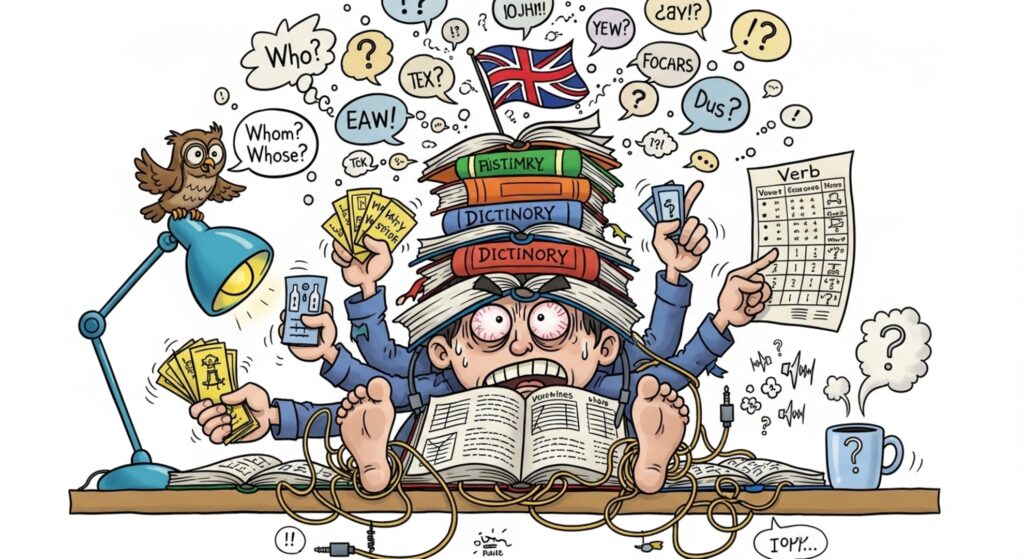
"공부할 때 나 vs 쉬는 시간의 나"
📖 오늘의 필수 어휘 정복하기!
방금 영어 원문 듣기 및 문장 해석을 통해 만난 핵심 단어들입니다.
이 단어들을 '내 것'으로 만드는 마지막 단계입니다.
✅ 어휘 학습 방법:
1. 단어 클릭: 카드를 클릭하면 의미, 유의어, 반의어가 펼쳐집니다.
2. 암기 완료: 단어를 완전히 이해하고 외웠다면, 하단 스위치를 켜서 초록색으로 표시하세요.
3. 그룹별 마스터: 그룹내 모든 단어를 초록색으로 칠하는 것을 1차 목표로 삼아보세요. 그리고 다음 그룹으로.
🎯 학습 목표:
모든 단어 카드를 초록색으로 만드는 것입니다!
💡 장기 기억 팁:
하루 5-7개씩 나누어 학습하고, 다음 날 전날 단어를 복습하세요!
반복 학습이 영어 어휘력 향상의 핵심입니다.
사유와 성찰의 시간
'죄와 벌'을 완독하는 것은 단순히 한 권의 책을 끝내는 경험이 아닙니다. 그것은 라스콜니코프가 겪는 고통스러운 투쟁을 함께하며, 인간의 가장 근본적인 문제들에 대해 깊이 사유하는 과정입니다. 이 소설은 우리에게 다음과 같은 질문들을 던집니다.

과연 도덕적 법칙은 절대적인가, 아니면 특정한 상황에서는 위반될 수 있는가?
진정한 정의와 자유는 어디에서 오는가?
죄책감은 어떻게 한 사람의 영혼을 파괴하는가?
이 작품은 어떤 쉬운 답도 제시하지 않습니다. 대신, 라스콜니코프의 고뇌를 통해 우리 자신의 도덕적 나침반을 재조정하고, 고통과 고백, 그리고 용서를 통해 얻는 진정한 자유에 대해 생각하게 합니다.
이 영상이 여러분의 '죄와 벌' 독서 여정에 의미 있는 시작점이 되기를 진심으로 바랍니다.