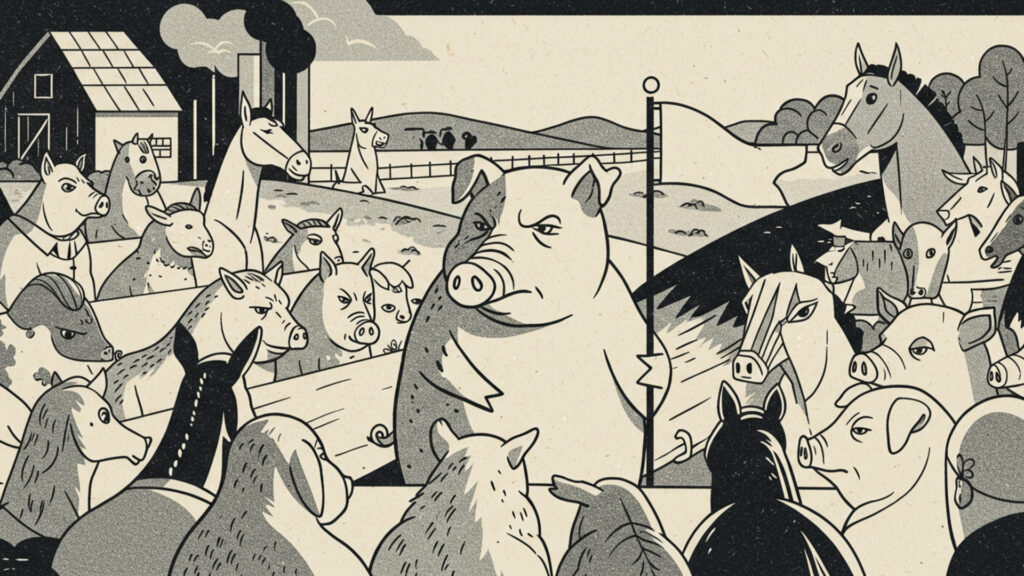
돈키호테: 왕초보
안녕하세요, 슝슝 채널에 오신 것을 환영합니다! 오늘 우리는 문학 역사상 가장 위대한 이야기 중 하나, 바로 미겔 데 세르반테스의 『돈키호테』를 함께 탐험할 거예요.
이 책은 단순히 오래된 고전이 아니에요. 『돈키호테』는 400년이 넘는 시간 동안 전 세계 수많은 독자들에게 사랑받으며, 상상력과 꿈, 그리고 현실 사이의 흥미로운 질문을 던져왔습니다. 작가 미겔 데 세르반테스는 스페인의 유명한 소설가이자 극작가로, 자신의 기발한 상상력을 이 작품에 모두 쏟아부었죠.
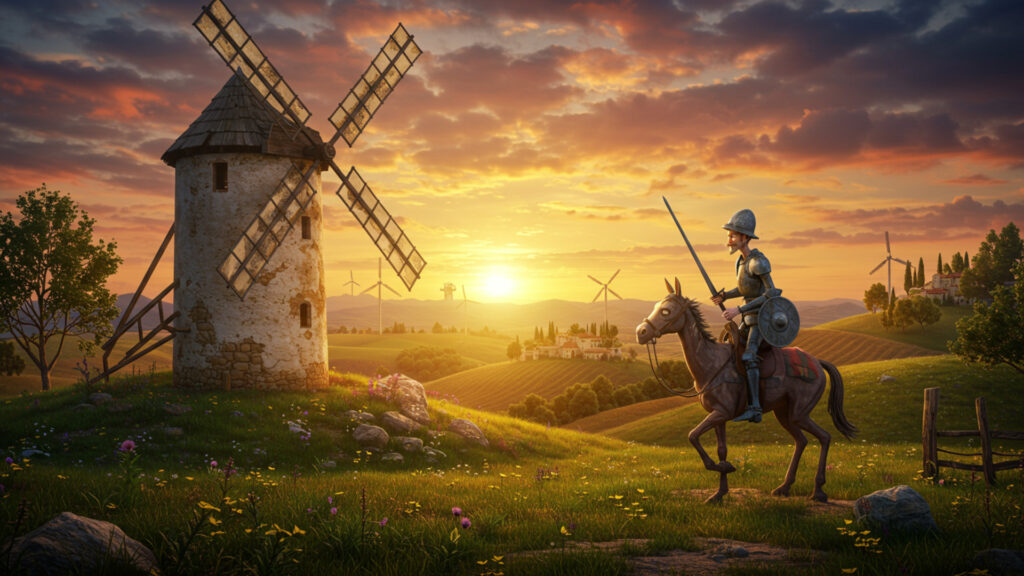
여러분은 어릴 적 영웅을 꿈꿔본 적이 있나요? 『돈키호테』의 주인공은 바로 그런 꿈을 현실로 만들기로 결심한 한 남자 이야기입니다. 그는 기사 소설에 푹 빠져, 스스로 갑옷을 입고 세상을 구하러 모험을 떠나기로 해요. 하지만 그의 눈에 보이는 세상은 우리가 아는 현실과는 조금 다르죠.
자, 이제 우리 함께 돈키호테의 여정을 따라가면서, 그의 눈에 비친 세상이 얼마나 특별한지, 그리고 그의 이야기가 우리에게 어떤 놀라운 교훈을 주는지 알아볼까요?
원문 듣기
Will this classic change you? Imagine a world where books are not just stories, but a guide to life, a map to your dreams. Imagine a man who reads so many stories about brave knights that he decides to become one himself. This is the amazing journey of Don Quixote, a book that will open your eyes to the power of imagination and the beauty of following your heart.
Hello, amazing English learners! Welcome back to the "Shoong Sshoong Channel." Today, we are going on a special adventure together. We are going to explore the wonderful world of Don Quixote by Miguel de Cervantes. Don't worry if you think this book is too big or too old. I will help you understand its magic, even if you are just starting your English journey at the 왕초보 level.
So, who is Don Quixote? He is an old gentleman from a small village in Spain. He loves to read. He reads books about knights, brave men who fight for good, help people, and find love. He reads so much that his mind starts to mix up the stories with real life. He believes that he, too, can be a knight. He calls himself Don Quixote of La Mancha.
Our hero needs a sidekick, a friend to go with him. He finds a simple farmer named Sancho Panza. Sancho is not like Don Quixote. He is practical. He likes food and comfort. But he also respects Don Quixote and decides to join him. Sancho rides a donkey, while Don Quixote rides his old horse, Rocinante. They are a very funny pair, one dreams big, the other thinks about lunch!
Don Quixote also needs a lady to fight for. In the knight books, knights always have a lady. He chooses a farmer girl named Aldonza Lorenzo. But he calls her Dulcinea del Toboso. For him, she is a beautiful princess, even if she is just a simple girl in real life. This shows how Don Quixote sees the world: not as it is, but as he wishes it to be, full of magic and beauty.
Their adventures begin! Don Quixote and Sancho Panza ride across the Spanish countryside. But the world they see is very different from the world Don Quixote imagines. For example, Don Quixote sees wind turbines. But he thinks they are giant, evil monsters! He shouts, "Giants! I must fight them!" And he rides his horse right at them, ready to fight. Sancho tries to tell him, "No, master! They are just windmills!" But Don Quixote does not listen. He fights the windmill and gets hurt. This is a very famous scene from the book, and it shows how Don Quixote's imagination makes him see things that are not real.
They meet many people on their journey. Some people are kind to Don Quixote and Sancho. They play along with Don Quixote's knight stories. Others make fun of him. But Don Quixote never stops believing in his dreams. He tries to help people, even when his help causes more problems. For example, he sees a shepherd boy being whipped by his master. Don Quixote tells the master to stop. The master promises he will pay the boy. But when Don Quixote leaves, the master whips the boy even more! Don Quixote's intentions are good, but his actions sometimes have bad results.
One time, they are at an inn, which Don Quixote thinks is a castle. He asks the innkeeper to make him a knight. The innkeeper, a good man, plays along and "knights" Don Quixote in a funny ceremony. This shows how some people are kind and understanding of Don Quixote's dreams.
Don Quixote's journey is not just about fighting monsters or helping people. It is also about the friendship between Don Quixote and Sancho Panza. Sancho starts as a simple farmer, but he learns a lot from Don Quixote. He starts to see the world a little bit through Don Quixote's eyes. He still likes food, but he also starts to believe in some of Don Quixote's ideals. They argue, they laugh, and they help each other. Their friendship is a very important part of the book.
As the story goes on, Don Quixote's family and friends worry about him. They want him to come home. They try many ways to bring him back. Sometimes they pretend to be other knights, or they use tricks. Finally, a friend, Sansón Carrasco, who is also a student, decides to fight Don Quixote. He pretends to be the "Knight of the White Moon." He defeats Don Quixote and tells him he must go home and stop being a knight for one year. Don Quixote is sad, but he agrees.
He goes home and gets sick. As he gets sicker, he starts to see things clearly again. He realizes that he was not a real knight. He was just a gentleman who loved books too much. He says goodbye to his friends and family, and he dies peacefully.
So, why is this book so special? Don Quixote is not just a funny story about a crazy man. It is a story about dreams, about seeing the world in a different way. It teaches us about the power of imagination. Don Quixote might be "crazy" to some, but he lives his life with passion and purpose, even if that purpose is a dream. He shows us that sometimes, dreaming big can make life more interesting.
It also teaches us about the importance of friendship, like the bond between Don Quixote and Sancho. They are very different, but they learn from each other and support each other.
This book asks us: Is it better to live in a boring real world or a magical dream world? Don Quixote chooses the dream world, and in doing so, he makes his life, and the lives of those around him, a little more exciting. Even though he sees windmills as giants, his courage is real. His desire to do good is real.
When I finished Don Quixote, I felt a mix of emotions. I was sad for Don Quixote, but I also felt inspired. I thought about my own dreams. Do I dare to chase them, even if others think they are silly? Don Quixote made me think about how I see the world. Do I see only what is real, or can I also see the magic?
This book invites you to look beyond what is obvious. It encourages you to find your own giants to fight, your own Dulcinea to admire, and your own Sancho Panza to share your journey with. It's a reminder that sometimes, the greatest adventures happen not in the world outside, but in the world inside our minds.
Thank you for joining me on this journey into Don Quixote. I hope this video inspires you to explore this amazing book, even if it's just a little bit at a time. Remember, every page you read, every word you understand, is a step forward in your English learning journey. Keep dreaming, keep reading, and keep exploring! And I'll see you next time on the "Shoong Sshoong Channel." Bye for now!
주요 어휘
왕초보 단계 주요 어휘 (Vocabulary)
- action: (명사) 행동, 행위 (유의어: deed, conduct)
- adventure: (명사) 모험 (유의어: quest, escapade)
- agree: (동사) 동의하다, 찬성하다 (유의어: concur, assent; 반의어: disagree, refuse)
- aim: (명사) 목표, 목적 (유의어: purpose, goal)
- amazing: (형용사) 놀라운, 경이로운 (유의어: wonderful, incredible)
- ask: (동사) 묻다, 요청하다 (유의어: inquire, request)
- beautiful: (형용사) 아름다운 (유의어: lovely, pretty; 반의어: ugly)
- become: (동사) ~이 되다
- believe: (동사) 믿다 (유의어: trust, credit; 반의어: doubt, disbelieve)
- better: (형용사) 더 좋은; (부사) 더 잘 (반의어: worse)
- big: (형용사) 큰 (유의어: large, huge; 반의어: small, tiny)
- book: (명사) 책
- boy: (명사) 소년
- brave: (형용사) 용감한, 용기 있는 (유의어: courageous, fearless; 반의어: cowardly, timid)
- bring: (동사) 가져오다, 데려오다
- call: (동사) 부르다, 전화하다; (명사) 부름, 전화 (유의어: name, designate)
- castle: (명사) 성 (유의어: fortress, stronghold)
- cause: (동사) ~을 야기하다, 원인이 되다; (명사) 원인 (유의어: create, lead to)
- change: (동사) 변화하다, 바뀌다; (명사) 변화, 변동 (유의어: transform, alter; 반의어: remain, stay)
- choose: (동사) 선택하다 (유의어: select, pick)
- clearly: (부사) 명확하게, 분명히 (유의어: distinctly, precisely; 반의어: vaguely, unclearly)
- comfort: (명사) 편안함, 안락함; (동사) 위로하다 (유의어: ease, solace)
- courage: (명사) 용기 (유의어: bravery, valor; 반의어: cowardice, fear)
- crazy: (형용사) 미친, 정신 나간 (유의어: insane, mad; 반의어: sane, sensible)
- dare: (동사) 감히 ~하다, 용감하게 ~하다 (유의어: venture, brave)
- decide: (동사) 결정하다, 결심하다 (유의어: determine, choose)
- defeat: (동사) 물리치다, 패배시키다; (명사) 패배 (유의어: conquer, vanquish; 반의어: win, triumph)
- desire: (명사) 욕구, 갈망; (동사) 바라다 (유의어: wish, longing)
- different: (형용사) 다른, 차이가 나는 (유의어: distinct, unique; 반의어: similar, same)
- do: (동사) 하다
- donkey: (명사) 당나귀
- dream: (명사) 꿈; (동사) 꿈꾸다 (유의어: aspiration, vision)
- each other: (대명사) 서로
- emotion: (명사) 감정 (유의어: feeling, sentiment)
- encourage: (동사) 격려하다, 용기를 북돋우다 (유유어: motivate, inspire; 반의어: discourage, deter)
- evil: (형용사) 사악한, 악한; (명사) 악 (유의어: wicked, malevolent; 반의어: good, benevolent)
- example: (명사) 예시, 본보기 (유의어: instance, sample)
- exciting: (형용사) 신나는, 흥미진진한 (유의어: thrilling, stimulating; 반의어: boring, uninteresting)
- explore: (동사) 탐험하다, 탐구하다 (유의어: discover, investigate)
- eyes: (명사) 눈
- family: (명사) 가족
- famous: (형용사) 유명한 (유의어: renowned, celebrated; 반의어: unknown, obscure)
- farmer: (명사) 농부
- feel: (동사) 느끼다
- fight: (동사) 싸우다; (명사) 싸움 (유의어: battle, combat)
- find: (동사) 찾다, 발견하다 (유의어: discover, locate)
- finish: (동사) 끝내다, 완료하다 (유의어: complete, conclude; 반의어: start, begin)
- follow: (동사) 따르다, 뒤를 잇다 (유의어: pursue, chase; 반의어: lead, precede)
- food: (명사) 음식
- friend: (명사) 친구
- friendship: (명사) 우정 (유의어: companionship, camaraderie)
- full: (형용사) 가득 찬 (유의어: complete, packed; 반의어: empty)
- funny: (형용사) 웃긴, 재미있는 (유의어: humorous, amusing; 반의어: serious, unfunny)
- gentleman: (명사) 신사
- giant: (명사) 거인; (형용사) 거대한 (유의어: colossal, enormous; 반의어: dwarf, tiny)
- go: (동사) 가다
- good: (형용사) 좋은 (유의어: excellent, fine; 반의어: bad)
- goodbye: (명사) 작별 인사 (유의어: farewell, adieu)
- greatest: (형용사) 가장 위대한, 최고의 (유의어: best, finest)
- guide: (명사) 안내서, 지침; (동사) 안내하다, 이끌다 (유의어: manual, handbook; 동사 유의어: lead, direct)
- happen: (동사) 발생하다, 일어나다 (유의어: occur, take place)
- heart: (명사) 마음, 심장
- help: (동사) 돕다; (명사) 도움 (유의어: assist, aid)
- home: (명사) 집; (부사) 집으로
- hope: (동사) 바라다, 희망하다; (명사) 희망 (유의어: wish, aspiration)
- horse: (명사) 말
- hurt: (동사) 다치게 하다, 아프게 하다; (형용사) 다친, 아픈 (유의어: injure, wound)
- imagination: (명사) 상상력 (유의어: creativity, fantasy)
- important: (형용사) 중요한 (유의어: significant, crucial; 반의어: unimportant, trivial)
- inn: (명사) 여관 (유의어: hostel, lodging)
- inspire: (동사) 영감을 주다 (유의어: motivate, stimulate)
- intention: (명사) 의도, 목적 (유의어: aim, purpose)
- interesting: (형용사) 흥미로운 (유의어: engaging, fascinating; 반의어: boring, dull)
- invite: (동사) 초대하다 (유의어: welcome, ask)
- join: (동사) 합류하다, 참여하다 (유의어: unite, connect; 반의어: separate, leave)
- journey: (명사) 여행, 여정; (동사) 여행하다 (유의어: trip, voyage)
- keep: (동사) 유지하다, 계속하다
- kind: (형용사) 친절한; (명사) 종류 (유의어: friendly, benevolent; 반의어: unkind, cruel)
- knight: (명사) 기사
- lady: (명사) 숙녀
- laugh: (동사) 웃다; (명사) 웃음 (유의어: chuckle, giggle)
- learn: (동사) 배우다 (유의어: acquire, study)
- leave: (동사) 떠나다, 남기다 (유의어: depart, exit; 반의어: arrive, stay)
- level: (명사) 수준, 단계
- life: (명사) 삶, 인생
- like: (동사) 좋아하다; (전치사) ~처럼 (유의어: enjoy, prefer; 반의어: dislike, hate)
- listen: (동사) 듣다
- live: (동사) 살다
- love: (동사) 사랑하다; (명사) 사랑 (유의어: adore, cherish; 반의어: hate)
- magic: (명사) 마법, 마술 (유의어: sorcery, enchantment)
- make: (동사) 만들다
- man: (명사) 남자, 사람
- master: (명사) 주인; (동사) 통달하다
- meet: (동사) 만나다
- mind: (명사) 마음, 정신
- mix: (동사) 섞다, 혼합하다; (명사) 혼합물 (유의어: blend, combine)
- monster: (명사) 괴물
- must: (조동사) ~해야 한다
- need: (동사) 필요하다; (명사) 필요 (유의어: require, want)
- never: (부사) 결코 ~않다 (반의어: always)
- old: (형용사) 늙은, 오래된 (유의어: aged, ancient; 반의어: young, new)
- open: (동사) 열다; (형용사) 열린 (유의어: unfasten, unseal; 반의어: close, shut)
- other: (형용사) 다른
- outside: (부사) 밖에; (명사) 외부 (반의어: inside)
- page: (명사) 페이지
- pair: (명사) 한 쌍, 짝 (유의어: duo, couple)
- people: (명사) 사람들
- peacefully: (부사) 평화롭게 (유의어: calmly, tranquilly; 반의어: violently, turbulently)
- play along: (구동사) 장단 맞춰주다, 협력하다
- power: (명사) 힘, 능력 (유의어: strength, might)
- practical: (형용사) 실용적인, 현실적인 (유의어: sensible, realistic; 반의어: impractical, idealistic)
- pretend: (동사) ~인 척하다, 가장하다 (유의어: feign, simulate)
- princess: (명사) 공주
- problem: (명사) 문제 (유의어: issue, difficulty)
- promise: (동사) 약속하다; (명사) 약속 (유의어: pledge, vow)
- purpose: (명사) 목적, 목표 (유의어: aim, objective)
- real: (형용사) 진짜의, 실제의 (유의어: genuine, authentic; 반의어: fake, artificial)
- realize: (동사) 깨닫다, 알아차리다 (유의어: recognize, comprehend)
- read: (동사) 읽다
- remember: (동사) 기억하다 (유의어: recall, recollect; 반의어: forget)
- respect: (동사) 존경하다; (명사) 존경 (유의어: admire, esteem; 반의어: disrespect)
- ride: (동사) 타다 (말, 자전거 등); (명사) 타기
- sad: (형용사) 슬픈 (유의어: unhappy, sorrowful; 반의어: happy, joyful)
- say: (동사) 말하다
- scene: (명사) 장면
- see: (동사) 보다, 알다 (유의어: perceive, observe)
- share: (동사) 공유하다, 나누다; (명사) 몫 (유의어: distribute, participate)
- shout: (동사) 소리치다, 외치다; (명사) 외침 (유의어: yell, scream)
- show: (동사) 보여주다; (명사) 쇼
- sick: (형용사) 병든, 아픈 (유의어: ill, unwell; 반의어: healthy, well)
- sidekick: (명사) 조수, 친구 (유의어: assistant, companion)
- silly: (형용사) 어리석은, 바보 같은 (유의어: foolish, absurd; 반의어: sensible, wise)
- simple: (형용사) 단순한, 간단한 (유의어: easy, basic; 반의어: complex, difficult)
- small: (형용사) 작은 (유의어: little, tiny; 반의어: big, large) -- special: (형용사) 특별한 (유의어: unique, exceptional; 반의어: ordinary, common)
- start: (동사) 시작하다; (명사) 시작 (유의어: begin, commence; 반의어: stop, end)
- step: (명사) 걸음, 단계; (동사) 걷다
- stop: (동사) 멈추다, 중단하다; (명사) 정류장 (유의어: cease, halt; 반의어: start, continue)
- story: (명사) 이야기
- student: (명사) 학생
- support: (동사) 지지하다, 후원하다; (명사) 지지, 후원 (유의어: assist, uphold)
- teach: (동사) 가르치다 (유의어: instruct, educate)
- tell: (동사) 말하다, 이야기하다 (유의어: recount, narrate)
- thank: (동사) 감사하다
- think: (동사) 생각하다 (유의어: believe, consider)
- time: (명사) 시간
- too much: (부사) 너무 많이
- try: (동사) 노력하다, 시도하다 (유의어: attempt, endeavor)
- understand: (동사) 이해하다 (유의어: comprehend, grasp)
- very: (부사) 매우, 아주
- village: (명사) 마을
- want: (동사) 원하다 (유의어: desire, wish)
- way: (명사) 방법, 길
- whip: (동사) 채찍질하다; (명사) 채찍
- windmill: (명사) 풍차
- wish: (동사) 바라다, 소원하다; (명사) 소원 (유의어: hope, desire)
- woman: (명사) 여자 (복수: women)
- wonderful: (형용사) 멋진, 훌륭한 (유의어: marvelous, fantastic)
- word: (명사) 단어
- world: (명사) 세상, 세계
- worry: (동사) 걱정하다; (명사) 걱정 (유의어: fret, be anxious)
- year: (명사) 년, 해
문장 해석
Will this classic change you?
이 고전이 당신을 변화시킬까요?
Imagine a world where books are not just stories, but a guide to life, a map to your dreams.
책이 단순히 이야기가 아니라 삶의 안내서이자 꿈을 향한 지도가 되는 세상을 상상해 보세요.
Imagine a man who reads so many stories about brave knights that he decides to become one himself.
용감한 기사들에 대한 이야기를 너무 많이 읽어서 스스로 기사가 되기로 결심한 한 남자를 상상해 보세요.
This is the amazing journey of Don Quixote, a book that will open your eyes to the power of imagination and the beauty of following your heart.
이것이 상상력의 힘과 마음을 따르는 아름다움에 눈을 뜨게 할 책, 돈키호테의 놀라운 여정입니다.
Hello, amazing English learners!
안녕하세요, 멋진 영어 학습자 여러분!
Welcome back to the "Shoong Sshoong Channel."
"슝쓩 채널"에 다시 오신 것을 환영합니다.
Today, we are going on a special adventure together.
오늘 우리는 특별한 모험을 함께 떠날 것입니다.
We are going to explore the wonderful world of Don Quixote by Miguel de Cervantes.
우리는 미겔 데 세르반테스의 멋진 돈키호테의 세계를 탐험할 것입니다.
Don't worry if you think this book is too big or too old.
이 책이 너무 크거나 너무 오래되었다고 생각해도 걱정하지 마세요.
I will help you understand its magic, even if you are just starting your English journey at the 왕초보 level.
여러분이 왕초보 레벨에서 영어 학습을 막 시작했더라도, 제가 그 마법을 이해하도록 도와드릴 것입니다.
So, who is Don Quixote?
그렇다면 돈키호테는 누구일까요?
He is an old gentleman from a small village in Spain.
그는 스페인의 작은 마을에 사는 나이든 신사입니다.
He loves to read.
그는 독서를 아주 좋아합니다.
He reads books about knights, brave men who fight for good, help people, and find love.
그는 선을 위해 싸우고, 사람들을 돕고, 사랑을 찾는 용감한 남자들, 즉 기사들에 대한 책을 읽습니다.
He reads so much that his mind starts to mix up the stories with real life.
그는 너무 많이 읽어서 그의 마음이 이야기와 현실을 뒤섞기 시작합니다.
He believes that he, too, can be a knight.
그는 자신도 기사가 될 수 있다고 믿습니다.
He calls himself Don Quixote of La Mancha.
그는 자신을 라만차의 돈키호테라고 부릅니다.
Our hero needs a sidekick, a friend to go with him.
우리 영웅은 조수, 즉 그와 함께 갈 친구가 필요합니다.
He finds a simple farmer named Sancho Panza.
그는 산초 판사라는 이름의 평범한 농부를 찾습니다.
Sancho is not like Don Quixote.
산초는 돈키호테와 같지 않습니다.
He is practical.
그는 현실적입니다.
He likes food and comfort.
그는 음식과 편안함을 좋아합니다.
But he also respects Don Quixote and decides to join him.
하지만 그는 돈키호테를 존경하고 그와 함께하기로 결정합니다.
Sancho rides a donkey, while Don Quixote rides his old horse, Rocinante.
산초는 당나귀를 타고, 돈키호테는 그의 늙은 말 로시난테를 탑니다.
They are a very funny pair, one dreams big, the other thinks about lunch!
그들은 아주 재미있는 한 쌍입니다. 한 명은 크게 꿈꾸고, 다른 한 명은 점심을 생각합니다!
Don Quixote also needs a lady to fight for.
돈키호테는 또한 그를 위해 싸울 여인이 필요합니다.
In the knight books, knights always have a lady.
기사 책에서는 기사들이 항상 여인을 가집니다.
He chooses a farmer girl named Aldonza Lorenzo.
그는 알돈자 로렌소라는 농부 소녀를 선택합니다.
But he calls her Dulcinea del Toboso.
그러나 그는 그녀를 둘시네아 델 토보소라고 부릅니다.
For him, she is a beautiful princess, even if she is just a simple girl in real life.
그에게 그녀는 아름다운 공주입니다. 비록 현실에서는 평범한 소녀일 뿐이지만 말이죠.
This shows how Don Quixote sees the world: not as it is, but as he wishes it to be, full of magic and beauty.
이것은 돈키호테가 세상을 보는 방식을 보여줍니다. 있는 그대로가 아니라, 그가 바라는 대로, 마법과 아름다움으로 가득 찬 세상으로 말이죠.
Their adventures begin!
그들의 모험이 시작됩니다!
Don Quixote and Sancho Panza ride across the Spanish countryside.
돈키호테와 산초 판사는 스페인 시골을 가로질러 말을 탑니다.
But the world they see is very different from the world Don Quixote imagines.
그러나 그들이 보는 세상은 돈키호테가 상상하는 세상과는 매우 다릅니다.
For example, Don Quixote sees wind turbines.
예를 들어, 돈키호테는 풍력 터빈을 봅니다.
But he thinks they are giant, evil monsters!
그러나 그는 그것들이 거대한 악마 괴물이라고 생각합니다!
He shouts, "Giants! I must fight them!"
그는 "거인들이다! 나는 그들과 싸워야 해!"라고 외칩니다.
And he rides his horse right at them, ready to fight.
그리고 싸울 준비를 하며 말을 타고 그들에게 달려갑니다.
Sancho tries to tell him, "No, master! They are just windmills!"
산초는 그에게 "안돼요, 주인님! 그것들은 그냥 풍차예요!"라고 말하려고 합니다.
But Don Quixote does not listen.
하지만 돈키호테는 듣지 않습니다.
He fights the windmill and gets hurt.
그는 풍차와 싸우고 다칩니다.
This is a very famous scene from the book, and it shows how Don Quixote's imagination makes him see things that are not real.
이것은 책의 아주 유명한 장면이며, 돈키호테의 상상력이 어떻게 그에게 현실에 없는 것을 보게 만드는지를 보여줍니다.
They meet many people on their journey.
그들은 여행 중에 많은 사람들을 만납니다.
Some people are kind to Don Quixote and Sancho.
어떤 사람들은 돈키호테와 산초에게 친절합니다.
They play along with Don Quixote's knight stories.
그들은 돈키호테의 기사 이야기에 맞춰 줍니다.
Others make fun of him.
다른 사람들은 그를 비웃습니다.
But Don Quixote never stops believing in his dreams.
하지만 돈키호테는 자신의 꿈을 믿는 것을 멈추지 않습니다.
He tries to help people, even when his help causes more problems.
그는 사람들을 돕기 위해 노력하지만, 그의 도움이 더 많은 문제를 일으킬 때도 있습니다.
For example, he sees a shepherd boy being whipped by his master.
예를 들어, 그는 목자가 주인에게 채찍질당하는 것을 봅니다.
Don Quixote tells the master to stop.
돈키호테는 주인에게 멈추라고 말합니다.
The master promises he will pay the boy.
주인은 소년에게 돈을 지불하겠다고 약속합니다.
But when Don Quixote leaves, the master whips the boy even more!
하지만 돈키호테가 떠나자마자 주인은 소년을 더 심하게 채찍질합니다!
Don Quixote's intentions are good, but his actions sometimes have bad results.
돈키호테의 의도는 좋지만, 그의 행동은 때때로 나쁜 결과를 가져옵니다.
One time, they are at an inn, which Don Quixote thinks is a castle.
한 번은 그들이 여관에 있는데, 돈키호테는 그곳을 성이라고 생각합니다.
He asks the innkeeper to make him a knight.
그는 여관 주인에게 자신을 기사로 만들어 달라고 요청합니다.
The innkeeper, a good man, plays along and "knights" Don Quixote in a funny ceremony.
착한 여관 주인은 장난스럽게 돈키호테의 기사 서임식을 치러주고 그를 "기사"로 만듭니다.
This shows how some people are kind and understanding of Don Quixote's dreams.
이것은 어떤 사람들이 돈키호테의 꿈을 친절하게 이해하고 맞춰주는지를 보여줍니다.
Don Quixote's journey is not just about fighting monsters or helping people.
돈키호테의 여정은 단순히 괴물과 싸우거나 사람들을 돕는 것에만 국한되지 않습니다.
It is also about the friendship between Don Quixote and Sancho Panza.
그것은 또한 돈키호테와 산초 판사 사이의 우정에 관한 것입니다.
Sancho starts as a simple farmer, but he learns a lot from Don Quixote.
산초는 평범한 농부로 시작하지만, 돈키호테에게서 많은 것을 배웁니다.
He starts to see the world a little bit through Don Quixote's eyes.
그는 세상을 돈키호테의 눈을 통해 조금씩 보기 시작합니다.
He still likes food, but he also starts to believe in some of Don Quixote's ideals.
그는 여전히 음식을 좋아하지만, 돈키호테의 이상 중 일부를 믿기 시작합니다.
They argue, they laugh, and they help each other.
그들은 논쟁하고, 웃고, 서로 돕습니다.
Their friendship is a very important part of the book.
그들의 우정은 이 책의 매우 중요한 부분입니다.
As the story goes on, Don Quixote's family and friends worry about him.
이야기가 진행될수록 돈키호테의 가족과 친구들은 그를 걱정합니다.
They want him to come home.
그들은 그가 집으로 돌아오기를 원합니다.
They try many ways to bring him back.
그들은 그를 데려오기 위해 여러 가지 방법을 시도합니다.
Sometimes they pretend to be other knights, or they use tricks.
때로는 다른 기사로 가장하기도 하고, 속임수를 사용하기도 합니다.
Finally, a friend, Sansón Carrasco, who is also a student, decides to fight Don Quixote.
마침내 학생이기도 한 친구 산손 카라스코는 돈키호테와 싸우기로 결정합니다.
He pretends to be the "Knight of the White Moon."
그는 자신을 "하얀 달의 기사"라고 가장합니다.
He defeats Don Quixote and tells him he must go home and stop being a knight for one year.
그는 돈키호테를 물리치고 그에게 집으로 돌아가 1년 동안 기사 생활을 멈춰야 한다고 말합니다.
Don Quixote is sad, but he agrees.
돈키호테는 슬프지만 동의합니다.
He goes home and gets sick.
그는 집으로 돌아와 병이 듭니다.
As he gets sicker, he starts to see things clearly again.
병이 깊어질수록 그는 다시 명확하게 사물을 보기 시작합니다.
He realizes that he was not a real knight.
그는 자신이 진짜 기사가 아니었음을 깨닫습니다.
He was just a gentleman who loved books too much.
그는 단지 책을 너무나 사랑했던 신사였을 뿐입니다.
He says goodbye to his friends and family, and he dies peacefully.
그는 친구들과 가족에게 작별 인사를 하고 평화롭게 죽습니다.
So, why is this book so special?
그렇다면 왜 이 책이 그렇게 특별할까요?
Don Quixote is not just a funny story about a crazy man.
돈키호테는 단순히 미친 남자에 대한 재미있는 이야기가 아닙니다.
It is a story about dreams, about seeing the world in a different way.
그것은 꿈에 대한 이야기이고, 세상을 다른 방식으로 보는 것에 대한 이야기입니다.
It teaches us about the power of imagination.
그것은 우리에게 상상력의 힘에 대해 가르쳐 줍니다.
Don Quixote might be "crazy" to some, but he lives his life with passion and purpose, even if that purpose is a dream.
돈키호테는 어떤 사람들에게는 "미쳤다"고 여겨질지 모르지만, 그는 열정과 목적을 가지고 삶을 살아갑니다. 비록 그 목적이 꿈일지라도 말입니다.
He shows us that sometimes, dreaming big can make life more interesting.
그는 때때로 큰 꿈을 꾸는 것이 삶을 더 흥미롭게 만들 수 있음을 보여줍니다.
It also teaches us about the importance of friendship, like the bond between Don Quixote and Sancho.
또한 이 책은 돈키호테와 산초의 유대감처럼 우정의 중요성에 대해 가르쳐 줍니다.
They are very different, but they learn from each other and support each other.
그들은 매우 다르지만, 서로에게 배우고 서로를 지지합니다.
This book asks us: Is it better to live in a boring real world or a magical dream world?
이 책은 우리에게 묻습니다. 지루한 현실 세계에서 사는 것이 더 나을까요, 아니면 마법 같은 꿈의 세계에서 사는 것이 더 나을까요?
Don Quixote chooses the dream world, and in doing so, he makes his life, and the lives of those around him, a little more exciting.
돈키호테는 꿈의 세계를 선택하고, 그렇게 함으로써 그의 삶과 주변 사람들의 삶을 조금 더 흥미롭게 만듭니다.
Even though he sees windmills as giants, his courage is real.
그가 풍차를 거인으로 볼지라도, 그의 용기는 진짜입니다.
His desire to do good is real.
선을 행하려는 그의 열망은 진짜입니다.
When I finished Don Quixote, I felt a mix of emotions.
돈키호테를 다 읽었을 때, 저는 여러 감정이 뒤섞였습니다.
I was sad for Don Quixote, but I also felt inspired.
돈키호테에게는 슬펐지만, 동시에 영감을 받았습니다.
I thought about my own dreams.
저는 저 자신의 꿈에 대해 생각했습니다.
Do I dare to chase them, even if others think they are silly?
다른 사람들이 어리석다고 생각하더라도, 저는 그 꿈을 쫓을 용기가 있을까요?
Don Quixote made me think about how I see the world.
돈키호테는 제가 세상을 어떻게 보는지에 대해 생각하게 했습니다.
Do I see only what is real, or can I also see the magic?
저는 오직 현실만을 볼까요, 아니면 마법도 볼 수 있을까요?
This book invites you to look beyond what is obvious.
이 책은 여러분에게 명백한 것을 넘어서 보라고 초대합니다.
It encourages you to find your own giants to fight, your own Dulcinea to admire, and your own Sancho Panza to share your journey with.
그것은 여러분 자신의 싸울 거인, 존경할 둘시네아, 그리고 여러분의 여정을 함께할 산초 판사를 찾도록 격려합니다.
It's a reminder that sometimes, the greatest adventures happen not in the world outside, but in the world inside our minds.
때때로 가장 위대한 모험은 외부 세계가 아니라 우리 마음속에서 일어난다는 것을 상기시켜 줍니다.
Thank you for joining me on this journey into Don Quixote.
돈키호테로의 이 여정에 함께해 주셔서 감사합니다.
I hope this video inspires you to explore this amazing book, even if it's just a little bit at a time.
이 비디오가 여러분이 이 놀라운 책을 탐험하는 데, 비록 조금씩이라도 영감을 주기를 바랍니다.
Remember, every page you read, every word you understand, is a step forward in your English learning journey.
기억하세요, 여러분이 읽는 모든 페이지, 이해하는 모든 단어는 영어 학습 여정의 한 걸음입니다.
Keep dreaming, keep reading, and keep exploring!
계속 꿈꾸고, 계속 읽고, 계속 탐험하세요!
And I'll see you next time on the "Shoong Sshoong Channel."
그리고 다음번에 "슝쓩 채널"에서 만나요.
Bye for now!
지금은 안녕!
핵심 요점
"Imagine a world where…" (구문) – 이 구문은 가상의 또는 바라는 상황을 소개할 때 사용됩니다. 듣는 사람이 무언가를 상상하게 돕습니다.
예시: 모두가 친절한 세상을 상상해 보세요.
"He decides to become…" (동사 구: decide to + 동사 원형) – 무언가를 하기로 선택한다는 의미입니다.
예시: 그녀는 영어를 배우기로 결정합니다.
"He calls himself…" (동사 구: call oneself) – 자신에게 이름이나 칭호를 붙인다는 의미입니다.
예시: 우리 개는 자주 스스로를 "왕"이라고 부릅니다.
"He needs a sidekick." (명사: sidekick) – 사이드킥은 누군가를 돕는 친한 친구나 동반자, 특히 모험에서 그렇습니다.
예시: 배트맨에게는 로빈이라는 사이드킥이 있습니다.
"He is practical." (형용사: practical) – 현실적인 상황과 해결책에 대해 생각하고, 꿈이 아닌 사람을 묘사합니다.
예시: 제 여동생은 매우 실용적입니다. 그녀는 항상 신중하게 계획합니다.
"He does not listen." (동사 구: does not listen) – 누군가 주의를 기울이거나 조언을 따르지 않는다는 의미입니다.
예시: 제 남동생은 가끔 제 말을 듣지 않습니다.
"His intentions are good." (명사: intention) – 의도는 계획이나 목표입니다. 누군가가 하려는 것입니다.
예시: 그녀의 의도는 돕는 것이었지만, 문제가 생겼습니다.
"He learns a lot from…" (동사 구: learn from) – 사람이나 경험으로부터 지식이나 기술을 얻는다는 의미입니다.
예시: 저는 선생님으로부터 많은 것을 배웁니다.
"He starts to see things clearly." (동사 구: start to + 동사 원형) – 무언가를 더 잘 이해하기 시작한다는 의미입니다.
예시: 긴 대화 후에 그는 상황을 명확하게 이해하기 시작했습니다.
"It teaches us about…" (동사 구: teach about) – 주제에 대한 정보나 지시를 준다는 의미입니다.
예시: 이 이야기는 우리에게 우정에 대해 가르쳐 줍니다.
수고하셨습니다.
🎉 학습 완료! 🎉
잠깐 쉬어가며 웃어볼까요?
"공부할 때 나 vs 쉬는 시간의 나"
📖 오늘의 필수 어휘 정복하기!
방금 영어 원문 듣기 및 문장 해석을 통해 만난 핵심 단어들입니다.
이 단어들을 '내 것'으로 만드는 마지막 단계입니다.
✅ 어휘 학습 방법:
1. 단어 클릭: 카드를 클릭하면 의미, 유의어, 반의어가 펼쳐집니다.
2. 암기 완료: 단어를 완전히 이해하고 외웠다면, 하단 스위치를 켜서 초록색으로 표시하세요.
3. 그룹별 마스터: 그룹내 모든 단어를 초록색으로 칠하는 것을 1차 목표로 삼아보세요. 그리고 다음 그룹으로.
🎯 학습 목표:
모든 단어 카드를 초록색으로 만드는 것입니다!
💡 장기 기억 팁:
하루 5-7개씩 나누어 학습하고, 다음 날 전날 단어를 복습하세요!
반복 학습이 영어 어휘력 향상의 핵심입니다.
자, 오늘 돈키호테와 산초 판자의 멋진 모험을 함께해주셔서 정말 감사합니다.
이 이야기는 단순히 한 남자의 재미있는 여정으로 끝나는 것이 아닙니다. 돈키호테는 우리에게 "현실이 전부가 아닐 수도 있다"는 것을 보여줍니다. 비록 그의 꿈이 어리석어 보일지라도, 그 꿈을 향한 열정과 용기만큼은 진짜였습니다. 그의 이야기는 우리에게 질문을 던져요. "당신에게 싸워야 할 풍차는 무엇인가요?", "당신의 마음속 둘시네아는 누구인가요?"
어쩌면 가장 위대한 모험은 칼과 방패를 들고 떠나는 여행이 아니라, 우리 마음속의 작은 꿈을 용기 있게 쫓는 것일지도 모릅니다.
오늘 이 영상이 여러분의 영어 학습뿐만 아니라, 여러분의 삶에도 작은 영감을 주었기를 바랍니다.
다음 영상에서 만나요! 안녕!